


Using performance management to trigger continuous improvement
FEATURE – A senior executive recounts implementing Lean in different organizations, shifting from tools to systems, building performance management and Obeya routines to embed a sustainable, leader-driven improvement culture.
Words: Jan van Ginkel
My career started at Sara Lee International, where I spent roughly twenty-five years in manufacturing roles across different product lines. In 2005, I was asked to implement Lean in the company’s international plants—around thirty facilities at the time.
Back then, my understanding of Lean was still forming. My boss introduced me to René Aernoudts, form the Lean Management Instituut. I had read Lean Thinking, but the real learning came through working closely with René. He helped us by setting up a Lean Academy, where we organized one-week bootcamps for all our leaders—including our Top-120 leaders from all over the world. These were very inspiring because of the talks and workshops with Dan Jones. Together, we ran Lean awareness workshops that fundamentally reshaped how I thought about improvement. That’s when I stopped seeing Lean as a set of tools and realized it is a way of thinking.
The implementation was successful. We achieved significant savings and visible improvements across many plants. But about a year into that success, I began to worry that too much depended on me—my role, my behaviors, my presence. What would happen if I moved on? Could the organization sustain improvement without the leader championing it? At that point, I realized we didn’t just need lean tools. We needed an improvement system that did not depend on one individual.
This insight changed everything. We needed something structural: a trigger that continuously exposed problems and forced action. In other words, we needed a performance management system that made continuous improvement unavoidable.
This led us to develop Obeya rooms and a disciplined meeting cadence that connected every level of the organization. Performance management was not the end goal, but a bridge between strategy and execution, between leadership intent and daily behavior. It helped ensure we were doing the right things right, before expecting people to do so.
The goal was simple but demanding: align strategy, performance, and problem-solving from top management all the way to the shop floor. Annual plans had to be translated into concrete actions to be taken at the gemba (which is where waste lives, and where problems must be solved).
Every four weeks, we held an operations management team review (today, I would call it a process review). The day was deliberately structured. In the morning, we reviewed performance: safety, quality, delivery, and cost. KPIs were visual, trends were clear, and wherever performance was red, we agreed on actions to return to green. The afternoon was reserved for development. We reviewed the company’s main projects using A3s, typically led by members of the management team.
This logic extended to local plants, with which management team members connected regularly, reviewing the same figures and following the same logic. I personally visited one or two plants every week. I went on gemba walks with plant managers, reviewed process and improvement boards, and spoke directly with operators. I wanted to understand not just what was happening, but why.
Whenever I visited a plant, I always joined the daily Obeya meeting, hoping my presence there would show people how committed I was to the new way of working. Over time, we saw real improvement—day by day, week by week. The system worked because people believed in it, and people believed in it because leadership showed up.
MY TAKEAWAYS
After twenty years, a few leadership principles stand out.
First, everyone must speak the same language. Improvement starts by understanding what constitutes a “good day” for an operator: clear, simple measures on shop-floor boards help teams see where they stand and what problems they need to solve—using the same logic applied at management level.
Second, management itself is often the biggest constraint. Leaders reached their positions by succeeding in a certain way, and changing that behavior is hard. The shop floor is a mirror of management effectiveness, and leaders often underestimate their impact on the organization.
Third, start small and where you are—at your desk, in your own work area. In my mind, Lean is not about grand programs, but about showing that improvement is doable and visible.
Fourth, focus on process, not just results. Sustainable improvement comes from process excellence and requires basic stability.
Finally, Lean is never a copy-paste exercise. Every solution must be tailored to its context. I have seen too many organizations fail by importing tools without understanding their purpose.
Indeed, Lean does not begin with tools. It begins with leaders accepting responsibility for building systems that make problems visible and impossible to ignore.
That’s why, at Borgesius (the large bakery company I run these days), we began with something very simple: a quick scan of waste across our nine bakery plants. We compared input materials with finished output. The gap was eye-opening. Material loss alone represented a massive opportunity, so we started with a single KPI. That focus helped management see the problem clearly.
Convincing leaders that Lean is a long-term cultural transformation is never easy. In my experience, they need to experience it. Visiting other companies helps—but nothing convinces them like making losses visible. When management sees that material waste alone equals their profit margin, the conversation changes and Lean finally becomes a possibility.
THE AUTHOR
Read more


BUILDING BRIDGES – A member of the Theodo team tells us about their attempts to improve the performance of their Web apps using lean principles.

WOMACK’S YOKOTEN – Ahead of the holidays, for his last column of the year, the author reminds us of the power of sharing. Go out and spread the lean word!

WOMACK'S YOKOTEN – Last month nations signed a greenhouse gas emissions deal – on paper, an insurance policy against climate change. But if action is to follow promises, the cost of the insurance premium, as perceived by voters and governments, must be lowered. Lean thinking can help.

CASE STUDY – This insurtech venture has found in Lean Thinking a way to tackle its many scaling issues. It’s grown from two to fifty-five people in less than four years, ultimately thanks to a strong focus on quality.
Read more

INTERVIEW — Ahead of next week’s Lean Global Connection, one of our speakers talks about how the comprehensive lean transformation of Indonesian food company Garudafood.
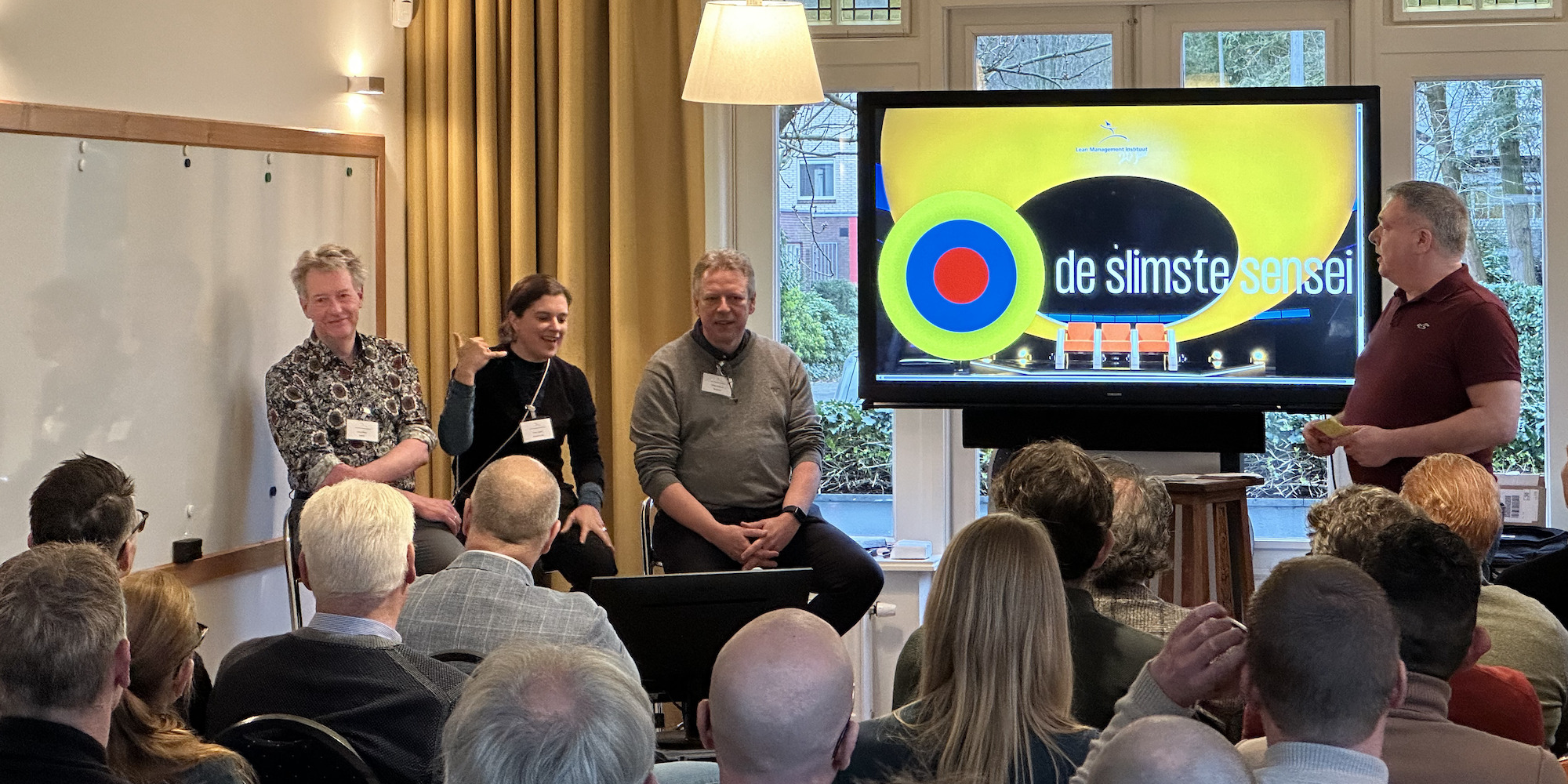
FEATURE – In February, our affiliate in the Netherlands turned 20. The President of Lean Management Instituut reflects on this achievement and looks back at these two decades.
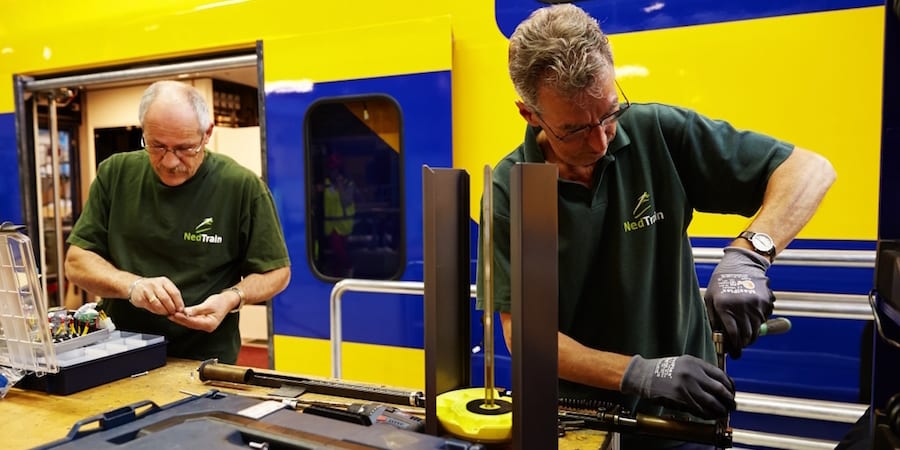
FEATURE – Faced with long lead-times to hire new people and with tens of millions paid in sick leave every year, the HR department of Dutch railway operator NS has turned to lean thinking to set them on the right track for the future.
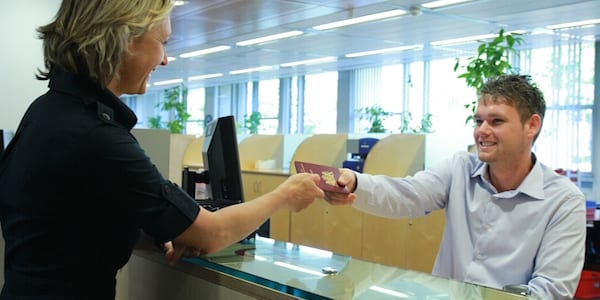
INTERVIEW - The historical city of Amersfoort in the Netherlands has introduced lean thinking and practice in local government to provide better and faster services to its citizens.