

Transforming infrastructure management in Catalonia
CASE STUDY - The Catalan government’s infrastructure unit used lean experimentation, training, and A3 problem solving to improve service, safety, collaboration, and outcomes.
Words: Anna Bullich
When people think of Lean, they normally picture factory floors, not government offices. Yet, for us at the Direcció General d’Infraestructures de Mobilitat of the Catalan government, Lean is becoming a way to rethink how we serve citizens. Our journey hasn’t been far from linear, but each experiment we have run has taught us something fundamental about how to bring continuous improvement into the public sector.
FROM A FALSE START TO A NEW BEGINNING
Lean first arrived at the Generalitat de Catalunya around 2015. A pilot project was launched, supported by ITEC, but things didn’t go as planned. The objectives were too technical and there wasn’t a clear agreement between the units involved, and the effort ended abruptly, leaving many colleagues discouraged.
When I joined the administration in 2017, that was the story I inherited. People remembered Lean as a failed experiment. But I had just come back from three years in the UK, where I’d discovered Lean Thinking and seen its potential to make work more meaningful. For me, Lean wasn’t just a set of tools—it was a language for the way I had always wanted to work: collaboratively, transparently, and with purpose. So, I set off to give it another try together with our team.
THE “NO PAPER” PROJECT
I asked my boss if I could run a pilot. Everyone around me was managing projects—typically road studies or construction plans—so I chose one to test what Lean could bring to our work. It wasn’t a construction project yet, just a feasibility study for a new road variant, which made it the perfect sandbox.
We experimented with everything. We organized takt time meetings to maintain rhythm, created transparent workflows, and worked collaboratively with external consultants. We even aimed for zero waste, making this the first paperless project in our department. We called it the “No Paper” project, even though it was really about Lean. Even signatures were done digitally—a novelty at the time that required inventing new procedures still in use today.
The experiment proved something vital: Lean could work in our government context. By mapping the flow, reducing waiting times, and documenting every delay, we learned where our processes really got stuck. We didn’t just want to deliver a report—we wanted to learn how to work better together.
The main lesson was that large, multi-year projects were too slow for testing new approaches. To truly learn, we needed smaller, faster cycles. So, we shifted from big experiments to bite-sized pilots.
BUILDING A CULTURE OF EXPERIMENTATION
Between 2018 and 2020, we ran more lean experiments, even though we didn’t always call it that. We used Scrum in some technical teams, held monthly user groups for BIM integration, and started an internal innovation lab inspired by Design Thinking. Each of these efforts shared the same Lean DNA: collaboration, experimentation, and respect for people.
In 2020, I had the opportunity to take the Lean Black Belt Practitioner program through the Instituto Lean Management and the Polytechnic University of Catalonia, led by Oriol Cuatrecasas. That training became the turning point. I finally had the framework, vocabulary, and confidence to connect the dots between our scattered experiments.
Our first formal A3 project came soon after. We focused on reducing the response time to citizen complaints and suggestions submitted through our online portal. Previously, the average time to respond was 21 days. Through problem-solving and daily collaboration across departments, we cut that to just seven days. It was a small victory, but it showed everyone what Lean could do.
MAKING LEAN OURS WITH IN-HOUSE TRAINING
From that point, our goal was to make Lean something that belonged to us and that would allow us to improve our service. We began offering our own internal training program, called Lean Time, based on the lessons of the Black Belt course. The training is intentionally short—six sessions of 30 minutes each—with a focus on learning by doing. Participants identify waste in their own processes, measure times, and experiment with improvements.
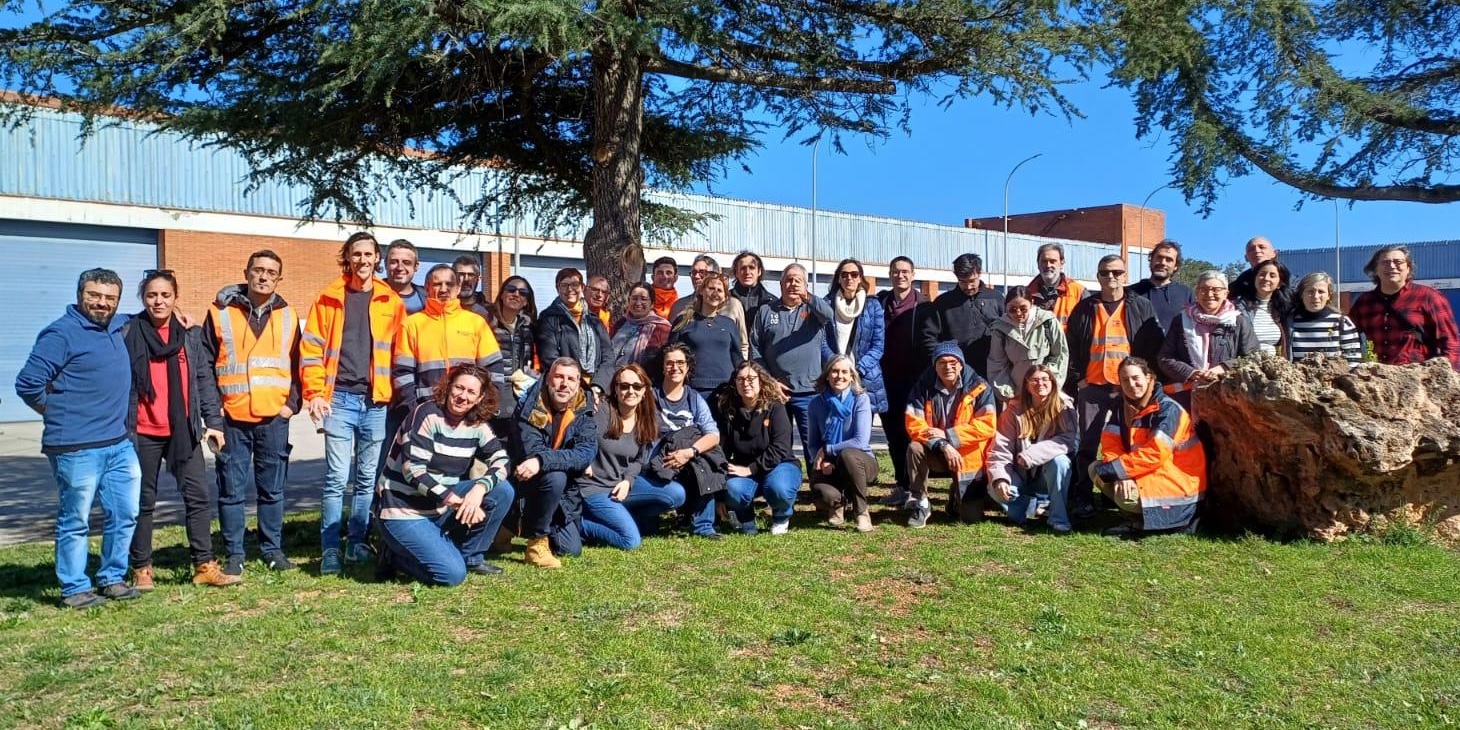
We’re now on our sixth edition, with around 100 people trained. Even though not everyone finishes it, the program is helping Lean to spread organically through practice. The Departament also organizes a 30-hour Lean Management course led by Oriol Cuatrecasas every year to enable teamwork around different A3s. People from different areas are experimenting in their own contexts, guided by a small internal lean team. Each year, at the end of the Lean Management course, we also hold a Lean Day where teams present their A3s, share lessons learned, and celebrate progress. Seeing how last year’s projects have evolved is one of the most rewarding parts.
LEAN IN ACTION
Some of our most impactful A3s are directly tied to citizen safety and satisfaction. The first, as mentioned, reduced response times for inquiries from the public. Another focused on improving how we analyze serious road accidents and provide infrastructural solutions to prevent them from reoccurring. Previously, the process was so bureaucratic that reports often stayed unfinished. We mapped the value stream, found the root causes, and simplified the protocol. Now we only analyze the most critical cases, and the reports themselves are shorter and more useful. The goal isn’t to produce more documents—it’s to implement preventive measures faster.
This project also led to the creation of an internal catalogue of solutions, where teams can share and document effective countermeasures. What used to be isolated ideas now become shared knowledge accessible across the organization.
We also improved how we communicate when accidents occur. Before, field inspectors received calls and sent updates by phone, often with delays and missing information. Now we’ve introduced simple digital tools—shared Teams channels and dedicated mailboxes—so that photos and details are uploaded immediately. Decision-makers can see the situation in real time and act faster. These might seem like small improvements, but they have a real impact on public safety and service quality.
What started as isolated pilots has grown into a more coordinated initiative, supported by training and a network of practitioners. Still, we remain pragmatic. Lean here isn’t a grand plan—it’s a daily practice. It’s in the way we plan meetings, how we visualize our work, how we talk about problems. It’s a mindset that we are trying to embrace and that encourages us to question old routines and find better ways to work.
Some initiatives that we tried as a pilot and have become a useful routine include:
- Monday weekly agenda, a 30-minute virtual meeting, during which we summarize the main issues and solutions of the previous week and share our agendas for the following week. The meeting takes place with the wider team in a big room, and in breakout rooms for subgroups.
- The 30-minute hybrid monthly meeting that helps us track indicators and determine whether we are on our way to reach our objectives.
- Or the 30-minute weekly gathering on Fridays to share a finished project, explain the solution or share an innovation that was introduced. This helps us to stay connected, value our efforts, and keep our focus on what matters most—collaboration, transparency, and people
AN EXCUSE TO TRANSFORM
For me, Lean has become an excuse—a very good one—to transform the administration from within. It gives us a common language to talk about improvement, purpose, and customer value. It legitimizes conversations about simplifying processes, putting citizens at the center of what we do, and measuring what truly matters.
When I look around, I see a growing community of colleagues who share that mindset. We come to work not just to manage infrastructure, but to improve how we do it—together. Lean gives us the joy of seeing progress and the conviction that change in the public sector is not only possible—it’s already happening.
THE AUTHOR

Read more
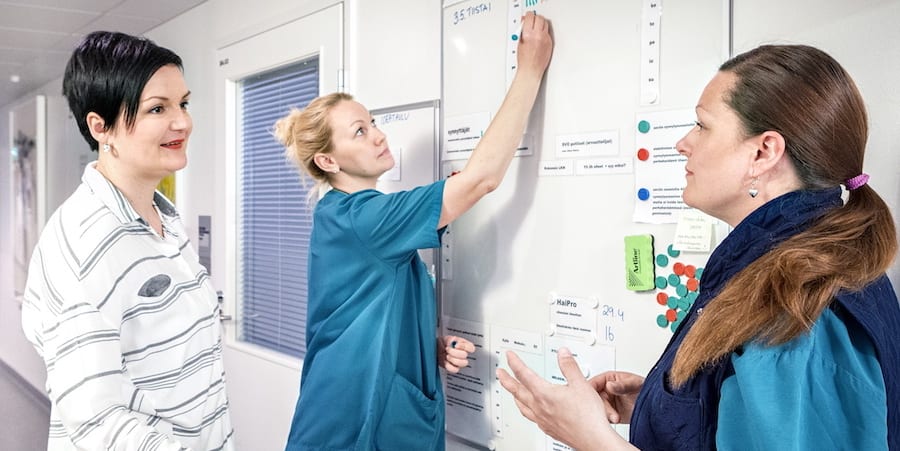

CASE STUDY – The whole of Helsinki’s hospital district is leaning out, with incredible results. It isn’t every day that we come across – let alone have the opportunity to observe – a lean transformation in such a large healthcare organization.

FEATURE – Hospitals are often part of larger healthcare systems, which makes it critical to learn how to bring lean to such diverse and complex environments. We hear from a large hospital group in Ireland.
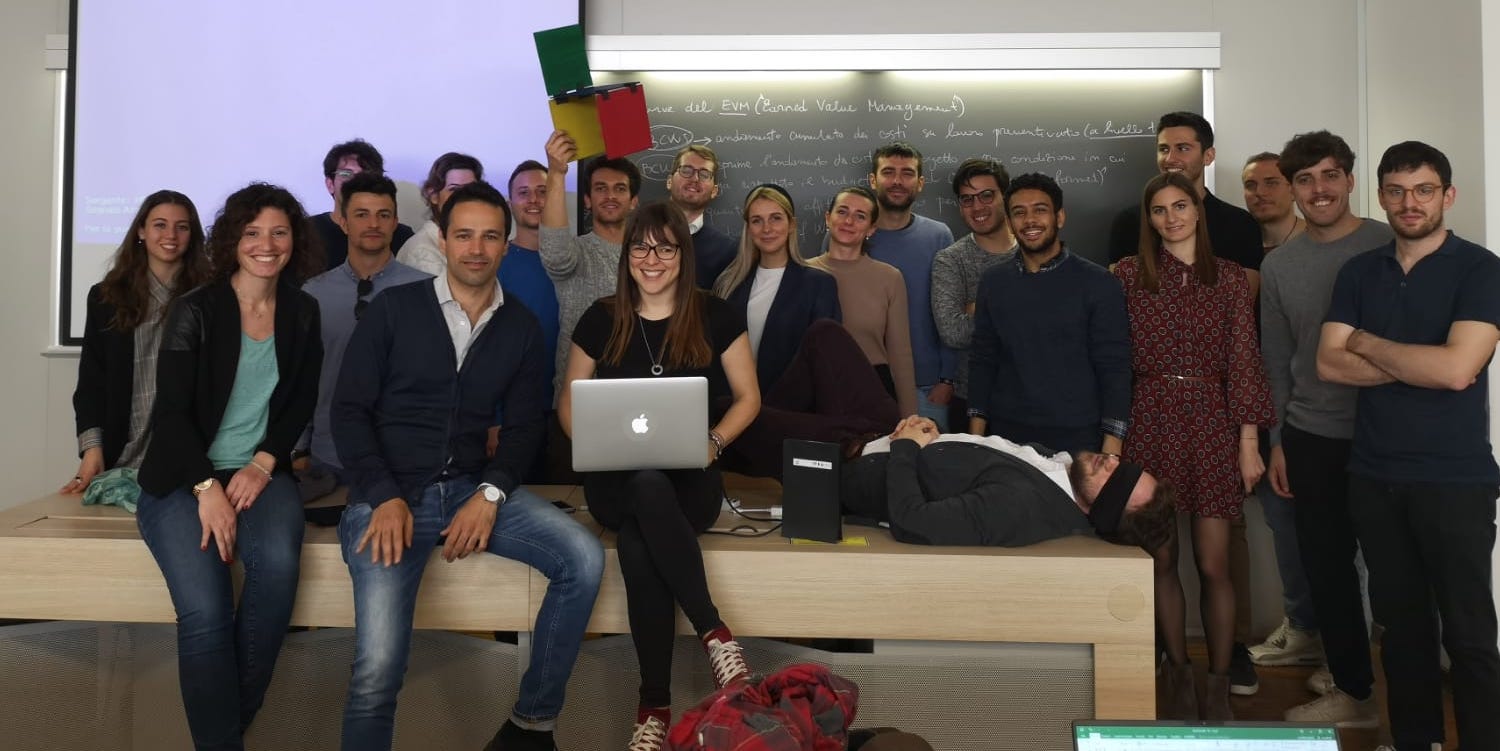
FEATURE – What does it really mean to teach lean? The author reflects on this question and shares a few tips on how to successfully engage learners in different environments.

NEWS - Back from his annual trip to Shanghai, Anton Grütter, CEO of the Lean Institute Africa, shares a few interesting insights into the Chinese culture.
Read more
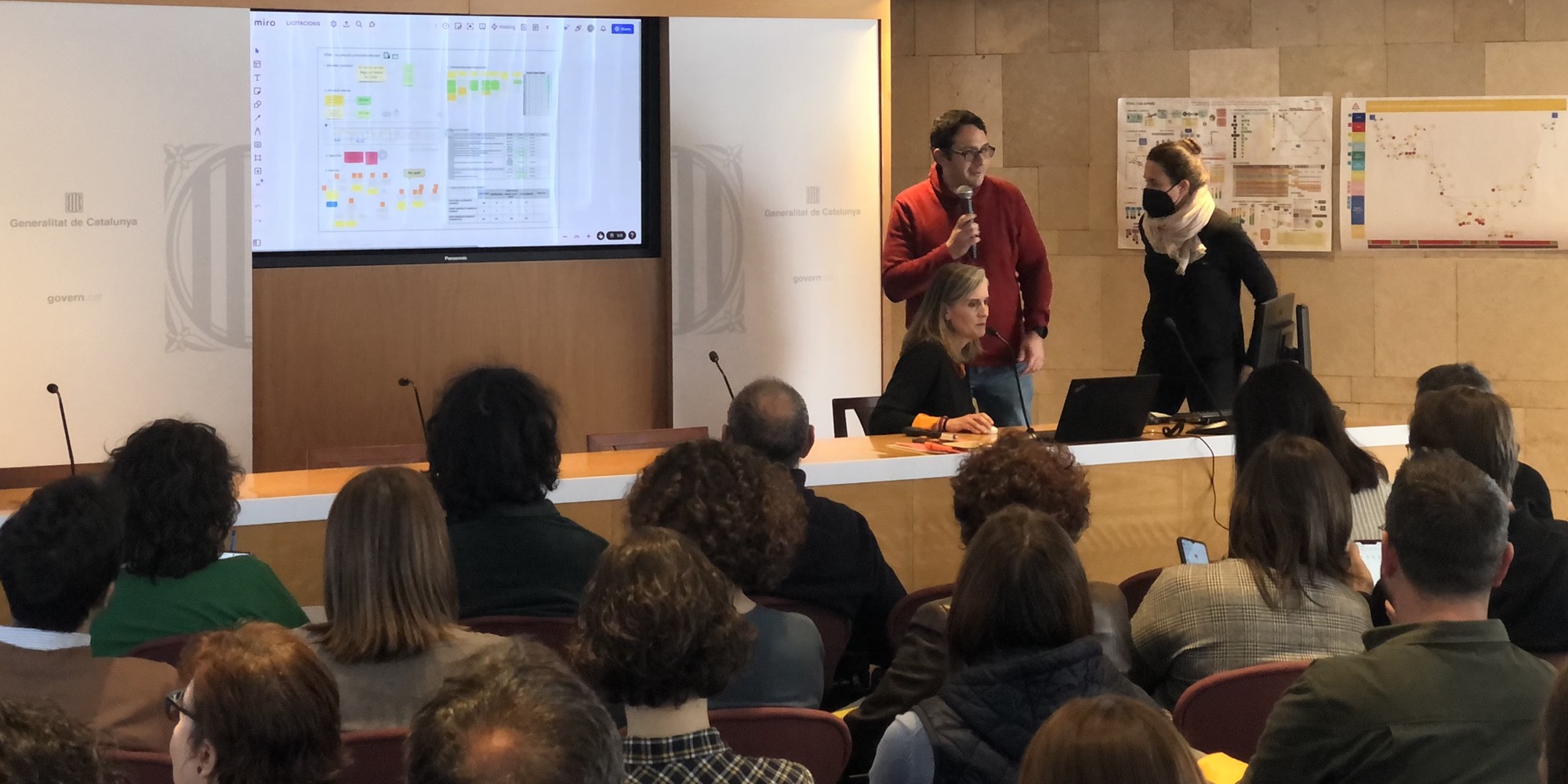
FEATURE – At a recent Lean Day, our editor was reminded of the immense potential of Lean Thinking applied to government. After a few sleepy years, is lean in the public administration having a comeback?

FEATURE – By looking at the state of lean management in the South African government sector, the author shares a number of important lessons that apply to public service organizations all around the world.

FEATURE - Britain’s National Audit Office looks at how well taxpayer money is spent, gaining invaluable insight into the use of lean management in central government.
INTERVIEW - The historical city of Amersfoort in the Netherlands has introduced lean thinking and practice in local government to provide better and faster services to its citizens.