


Seeing waste differently: Lean Green in SKC’s cafeteria
FEATURE – For this Chilean equipment distributor and service provider, what began as a simple waste problem became a lesson in observation, behavior change, and the power of method.
Words: Javier Pizarro Carmona, with Pablo Corvalán Ferrer and Marcelo Pinto
Lean has been part of SKC’s culture for years, something we have been working hard to embed across our organization. But when we recently tried to pair it with our sustainability efforts (which represent a strategic priority for us), it wasn’t immediately clear to us how the two might connect.
As we first ventured into the realm of Lean Green, we explored multiple possibilities—energy, water, carbon footprint, compliance, biodiversity, waste—assessing each of them in terms of impact and effort. Waste emerged as a potential pilot project, partly because we thought it could be easily measured. This assumption was quickly tested.
Unlike production or commercial data, waste data doesn’t sit neatly in a system. To understand it, we had to count garbage bags, tracing where they came from and breaking down their contents.
It was slow, sometimes messy work, but it gave us our first real insight: more than half of our non-hazardous waste was coming from the cafeteria. That narrowed the focus. Our next step was to try and understand what kind of waste we were talking about.
We were convinced we knew the problem. We believed too much food was being prepared. This had to be why so much was being thrown away. It seemed obvious, until we looked more closely. With the support of Sodexo, the company that manages our cafeteria, we spent weeks separating and measuring the waste. Around 80% turned out to be organic. At that point, we thought we had enough to act and were strongly tempted to jump to solutions. Luckily, the method held us back.
Instead of moving forward without fully understanding the problem, we asked where the waste was being generated. By applying an A3, we discovered that the issue wasn’t in the kitchen at all, but in the tray return area. The waste wasn’t being created when food was prepared, but when it was left uneaten. It wasn’t an overproduction problem, but a behavioral one: people were taking more food than they would eat.
Without the structure Lean provides, we would have acted on the wrong cause. The A3 allowed us to zoom in on the actual problem, shifting our attention to how people interacted with the service.
CHANGING BEHAVIORS
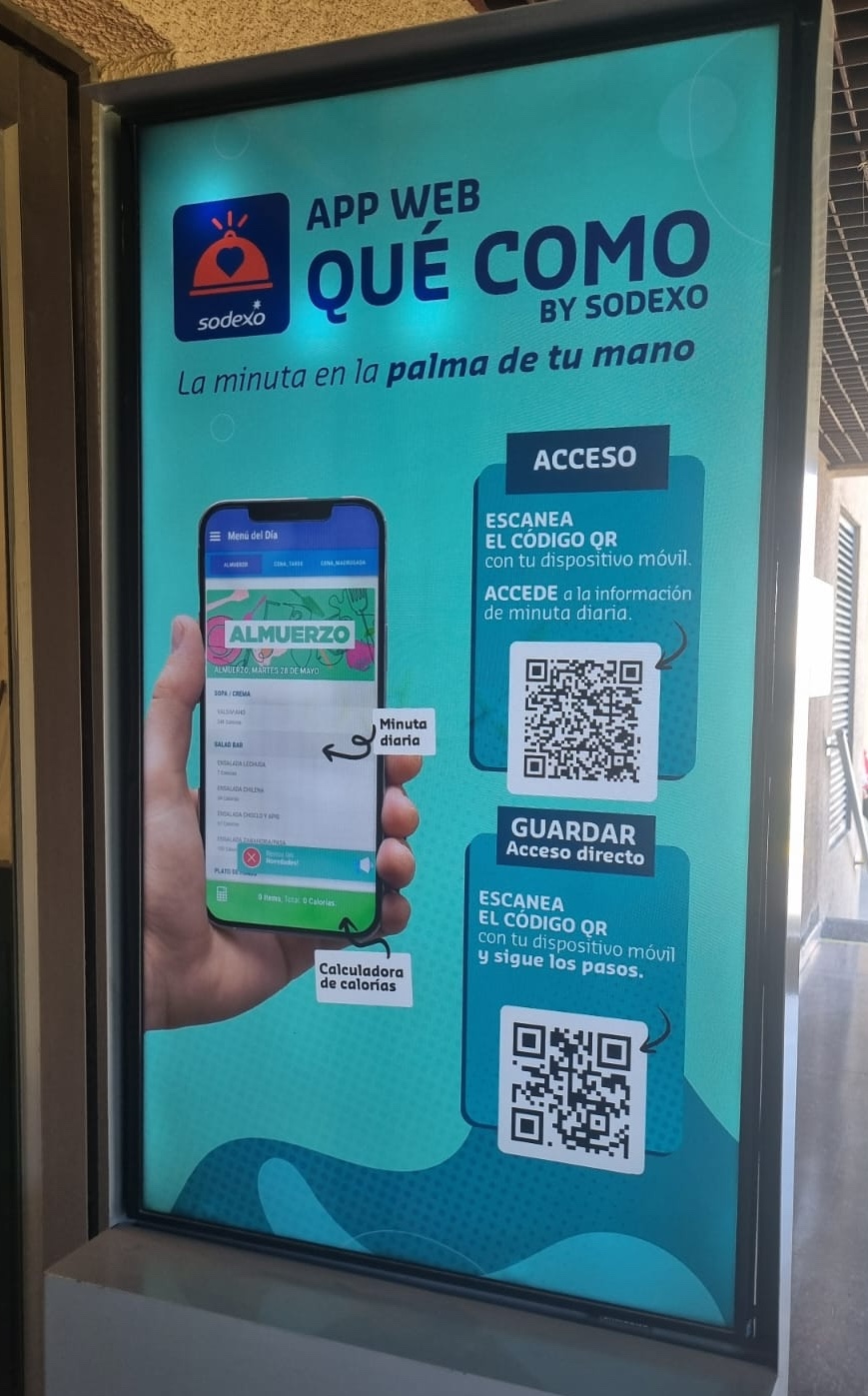
From that point on, our countermeasures focused on the user.
We made information more accessible, so people could decide what to eat before arriving. We improved visibility of menus. We introduced digital tools and QR codes. We ran targeted, in-person sessions with specific groups. We shared data, images, and evidence to make the impact visible.
At the same time, Sodexo worked on improving segregation and preparing for composting. This required changing routines in a team that had been working the same way for years. Habits had to shift, gradually, through repetition and reinforcement.
What became clear to us was that the main barrier was not technical, but cultural. Before anything else, we had to believe that this effort mattered and that Lean could genuinely help us address a sustainability challenge. That belief grew as the process unfolded.
REDUCE FIRST, THEN RECYCLE
The results were significant. We managed to reduce waste at the tray return by 40%. Only after that did we scale the treatment of the remaining waste through composting and other recovery processes, managing around three tons in the first months.
This sequence was critical. The easiest path would have been to start with recycling, but Lean Green pushed us to go further upstream. Recycling still consumes resources. It is reduction that eliminates the need to use resources altogether. By reducing first and then treating what remained, we achieved a much greater impact—both environmentally and operationally.
The financial effect was also clear. With less waste being generated, we needed fewer collection trips. What had required three weekly pickups dropped to two. A project that required virtually no investment began to generate savings.
What started as a cafeteria initiative quickly gained visibility across the company. It resonated greatly with the SKC leadership team, aligned with our sustainability strategy, and connected naturally with our broader management system.
WHAT WE LEARNED
Lean plays a central role in how SKC operates. It is not just a set of tools to us, but a driver of culture and integration across standards, certifications, and processes. What this project showed us is that the same thinking can be applied to sustainability challenges with equal rigor.
It also highlighted the importance of collaboration. SKC and Sodexo did not work in parallel; we worked together. Because our problem crossed boundaries, so did the solution we identified.
One of the most important lessons for us was the value of slowing down to understand. It is always tempting to act quickly, especially when the problem seems obvious. But in our case, taking the time to observe, measure, and question our beliefs led to a completely different (and far more effective) solution. The extra effort at the beginning paid off in results that were deeper, more sustainable, and more meaningful.
This experience changed how we think about Lean and sustainability. We see Lean Green as a way of approaching environmental challenges with the same discipline we apply to any operational problem: going to the gemba, understanding the context, identifying root causes, and engaging people in the solution.
It also reminded us of something simple but powerful: most problems are not where we first think they are. In our case, they weren’t in the kitchen, but on our trays.
THE AUTHORS
Read more


INTERVIEW – With the Lean Global Connection just two weeks away, we learn more about the lean healthcare content available to attendees.

FEATURE – Not many people know that digital technology and the IT industry are rife with environmental waste. Discovering it and eliminating early can have beneficial effects on both the business world and the planet.
REVIEW - Michael and Freddy Ballé’s new novel, which came out this week, will help readers to understand what it really means to be a lean leader and respect people.
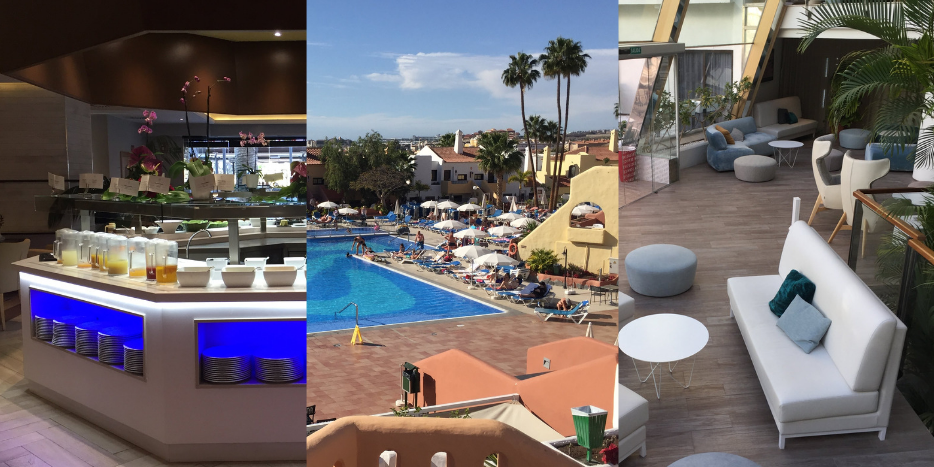
INTERVIEW – Three hotel directors from the same chain in the Canary Islands give us the lowdown on the company’s strategy to facilitate the transfer of lean knowledge from one location to another.
Read more
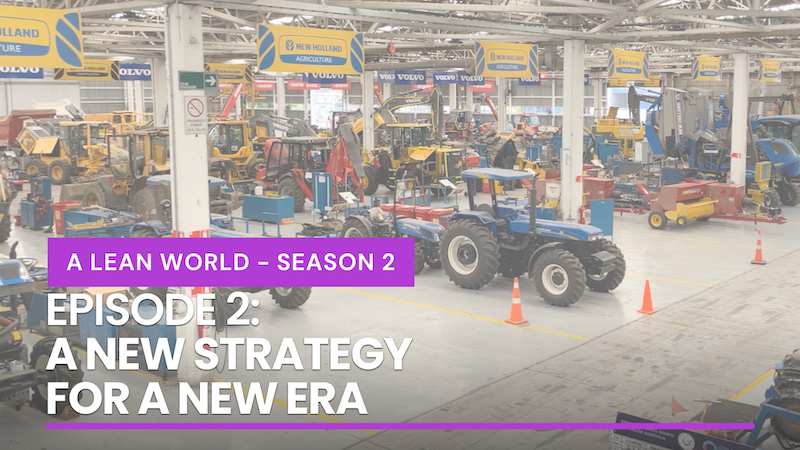
WEB SERIES – In the second episode of our docuseries on lean in Chile, we learn how, with a clear purpose and strong commitment from leadership, SKC is transforming its processes and mindset and building a competitive advantage.
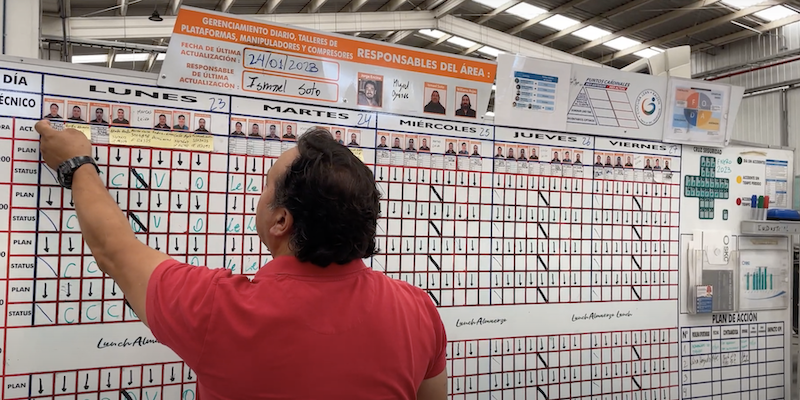
FEATURE – The author explores how SKC embraced Lean Thinking as a cultural shift – one that empowers people, transforms leadership, and shows how true sustainability starts with human growth.
FEATURE – A group of Italian researchers and professionals partnered with a NGO to prove how lean thinking can pave the way for the competitiveness and sustainable development of SMEs in Myanmar. Is this a new model for the developing world?

FEATURE – When it comes to the fight against climate change, we can’t expect to achieve much until we fundamentally challenge the way we think about resource consumption. Lean is our tool to do that.