


Less noise, more Lean
FEATURE – As we bid farewell to 2025, our editor looks back to Planet Lean content from the past 12 months and offers some important reflections on Lean in a world that seems to go faster every day.
Words: Roberto Priolo
If there’s one word that describes Planet Lean’s 2025, it’s grounded. Our content has not been trend-chasing, but grounded in practice, in people, and in the persistent belief that Lean Thinking still matters—now more than ever.
Looking back at this year’s articles, what stands out to me is not a single big idea, but a steady stream of leadership questions, gemba stories, cultural challenges, and an ongoing refusal to reduce Lean to tools or slogans. Editing Planet Lean in 2025 felt like having a long, honest conversation with practitioners from around the world, who know that transformation take time and are deeply human.
PEOPLE, NOT TOOLS
We have heard it a million times: lean is about people and learning. Indeed, this human focus was present in articles published throughout the year, starting with How can we support lean systems?, in which Michael Ballé explored the often-ignored question of infrastructure—not IT systems, but the organizational and leadership systems and institutions that either sustain or suffocate a lean culture. It was an important reminder that Lean doesn’t fail because people don’t try hard enough, but because the system around them doesn’t support learning.
As pieces like Lean management against labor shortages and Why you should consider your suppliers as partners reminded us, Lean pushes back against simplistic answers to complex problems. Labor shortages weren’t framed as an HR issue, and suppliers weren’t framed as cost centers—both should be treated as relationships that require respect, trust, and long-term thinking.
ANOTHER YEAR OF CASES
We also published strong case studies this year, telling stories of lean initiatives in asset management companies in China, mining companies in Indonesia, and manufacturers in Brazil. Two of my personal favorites were this case study on NGNY, which highlighted the turnaround this Catalan company experienced thanks to Lean Thinking, and this story written by Eivind Reke, about how two companies leveraged Lean to improve their cross-border collaboration and deepen mutual trust.
I was thrilled to welcome back to Planet Lean Catherine Chabiron and her superb articles for the Notes from the Gemba series. Her observation and interviewing skills always make for impressive content (check out her many articles here).
2025 was another strong year for lean healthcare, too—one of the most consistent themes this year. We were introduced to EHA Clinics, whose committed team, led by CEO Ifunanya Ilodibe, is pioneering lean efforts in Nigerian healthcare. Dr Frederico Pinto from Brazil, a long time friend of PL, also contributed great content, tapping into his invaluable experience as a healthcare leader. One example? Lazy leadership and ethical decline, a strikingly direct article that examined how leadership inaction can quietly undermine ethics, safety, and trust in healthcare systems.
ZOOMING IN ON LEADERSHIP
Leadership was everywhere in Planet Lean’s 2025 content—which is hardly a surprise, considering it was the theme of this year’s Lean Global Connection.
In Lean in a chaotic world, Jim Womack’s set the intellectual backbone for the year, arguing that Lean is not about control in chaos, but about learning faster than the environment changes. This article was followed by interviews with senior leaders like Marcia Brey from GE Appliances and articles that raised questions on leadership behaviors and attitude (like Tshepo Thobejane’s piece on how leaders can use metrics to either enforce compliance or enable learning).
As those entrusted with the designing and deployment of a company’s strategy, the role of leaders was also discussed in this interview with Mark Reich, who this year published Managing on Purpose, a book on hoshin kanri that has already become a must-have for any lean practitioner.
QUESTIONING OURSELVES
On a personal level, one of the most interesting conversations I have had this year—which then ended up on Planet Lean as an interview—was with Theodor Panayotov. It was, not surprisingly, about Artificial Intelligence. Theodor argues that Lean’s real advantage in an AI-accelerated world is judgment—the ability to think critically, ask better questions, and develop people, thus enabling experimentation and adaptiveness.
As the year drew to an end, we doubled down on this introspection and reflected more deeply on some of our core tenets and key ideas. For example, this interview with Michael Ballé (the occasion was the publication of his lean glossary) challenged us to think about how language shapes behavior—and how lean terms can lose meaning when repeated uncritically.
Such articles force us to ask ourselves whether we (as inviduals and as a movement) are still learning.
KEEP CALM AND EMBRACE LEAN
Planet Lean’s 2025 was not about reinvention. It was about continuity with depth, about staying the course.
Across industries, countries, and roles, our authors have reminded us of the importance to sticking to the basics, to the essential ideas making Lean so unique and powerful: respect for people, learning by doing, servant leadership, and improvement as a daily habit.
In a world obsessed with speed, at Planet Lean we chose patience. In a world chasing novelty, we chose to stick to practice. I feel this might be the most radical thing we can do right now.
THE AUTHOR

Read more
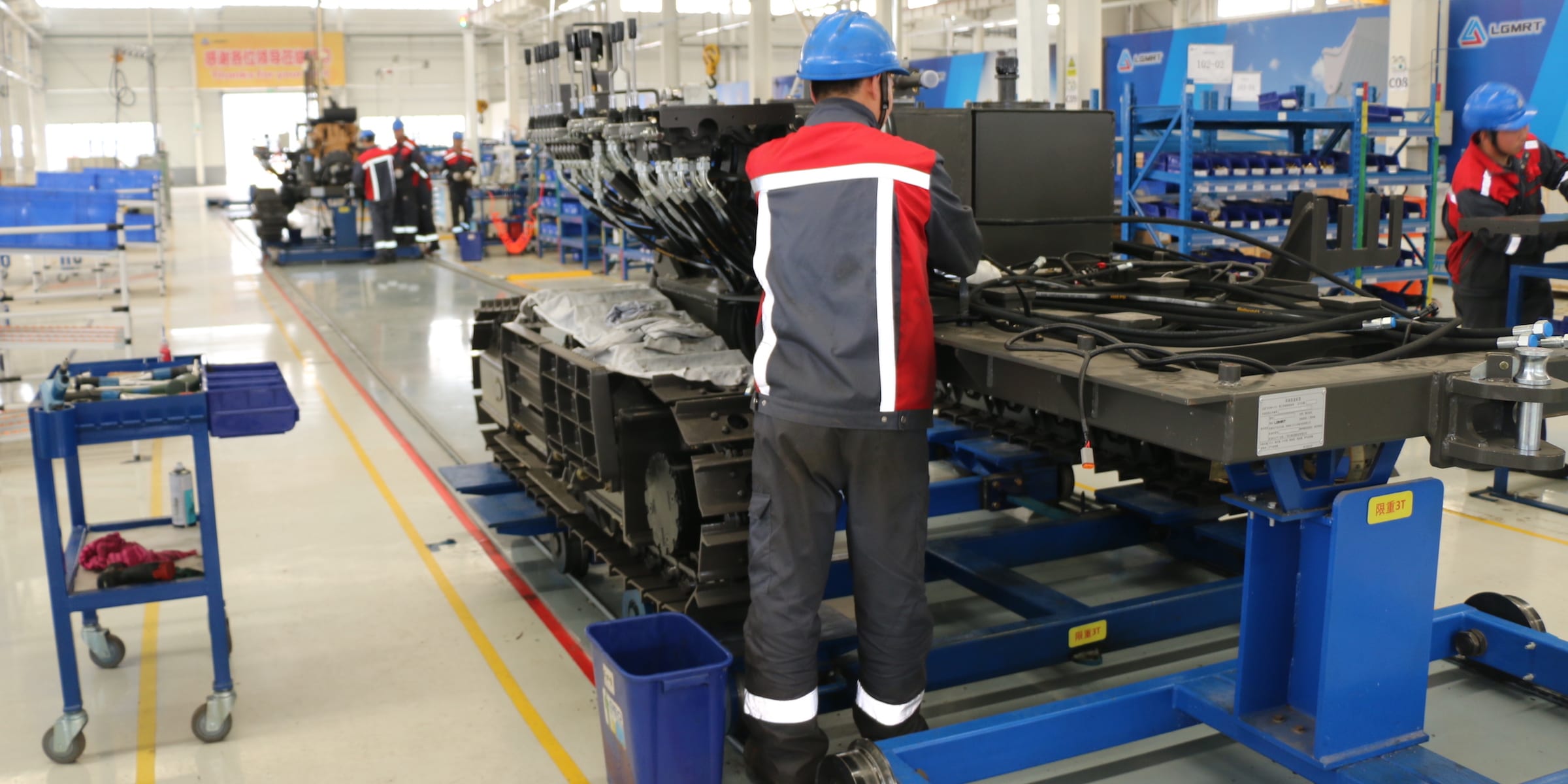

FEATURE – Leading lean transformations in different countries is often considered a challenge. The author claims it’s not as difficult as normally assumed, so long as you stick to the lean fundamentals.

FEATURE ARTICLE – By adopting lean thinking and establishing a dedicated care pathway, a Brazilian hospital has been able to drastically reduce the time breast cancer patients have to wait to undergo surgery or start treatment.
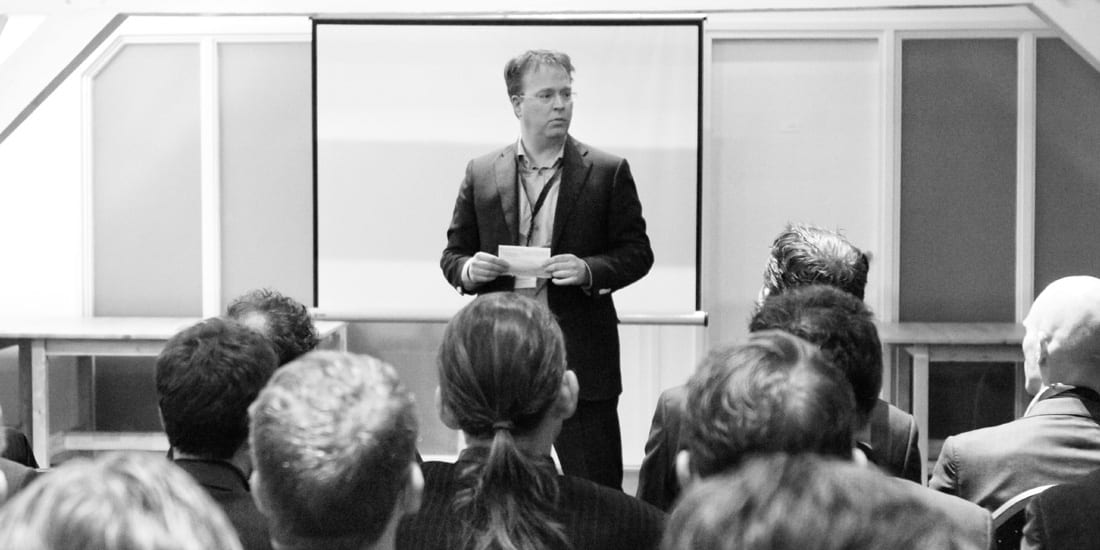
GETTING TO KNOW US – We continue our series of interviews with key Lean Global Network people with a chat with the President of Holland-based Lean Management Instituut.
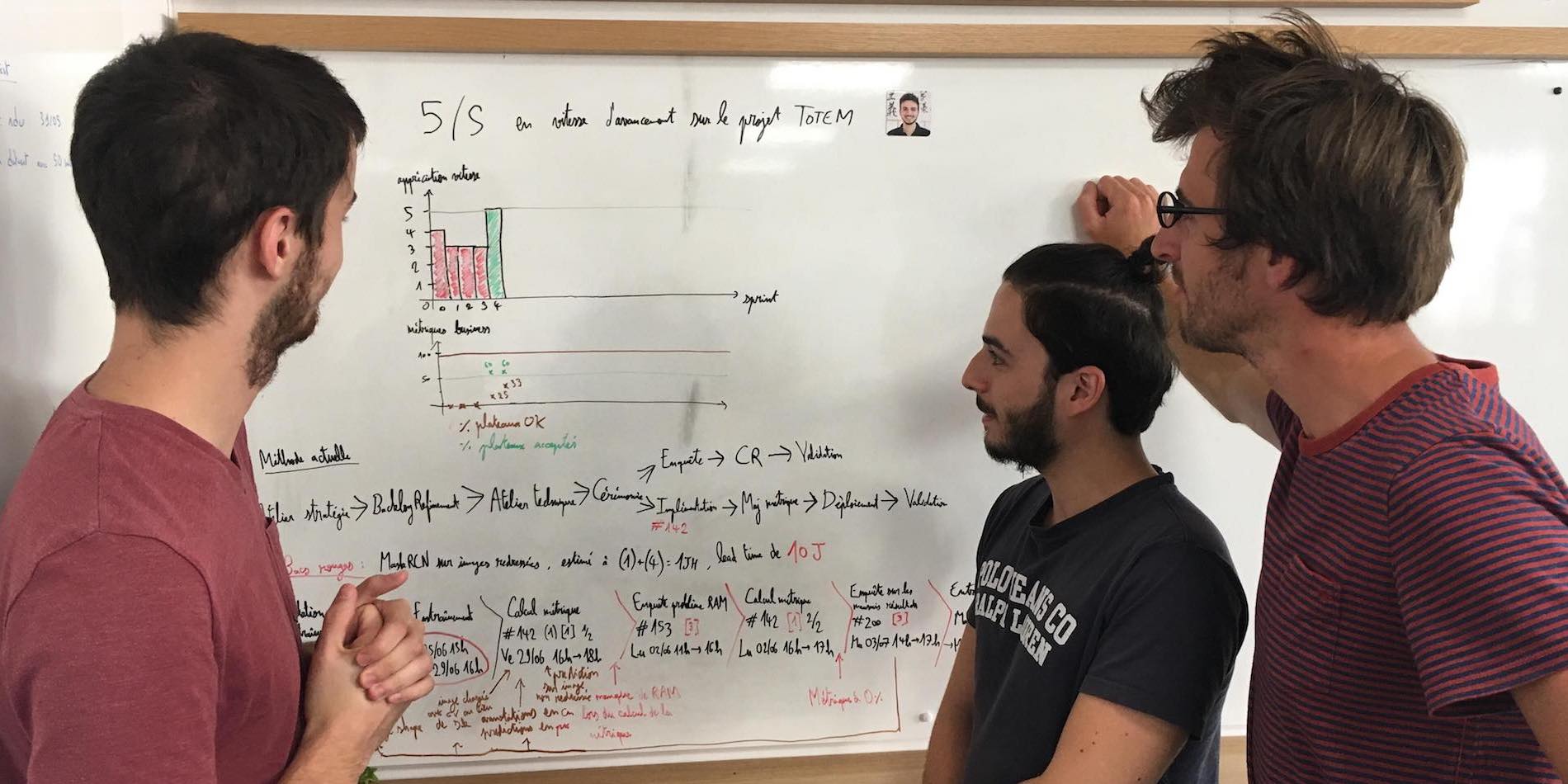
BUILDING BRIDGES - This month, we hear how addressing work-in-progress led a startup specialized in AI to productivity gains on their machine learning projects.
Read more

INTERVIEW – AI will shrink companies and workflows, challenging human relevance. In a world of accelerating technological disruption, Lean Thinking and adaptability are more important than ever.

FEATURE – When we emphasize systems and roles but fail to encourage and support kaizen, we cannot expect to tap into the full potential of Lean Thinking as a cognitive revolution.

WOMACK’S YOKOTEN – The author looks at hoshin planning, A3 thinking and daily management as the three key elements of a lean management system, and highlights the related behaviors that will allow lean to thrive.

INTERVIEW – A new book on hoshin kanri is out! We sit down with the author to learn about the publication and how it can help organizations.