

The social heart of Lean
CASE STUDY – Our editor visits TEB, a social enterprise in Barcelona that’s relying on simple kaizen and a growing improvement culture to stay competitive and fulfil its all-important mission.
Words: Roberto Priolo
On April 28, 2025, shortly after 12:30 PM, Spain came to a screeching halt when a massive blackout knocked out power to tens of millions of people, halted trains and metro lines, and paralyzed businesses. For most companies, this meant lost revenue, disrupted supply chains, and delivery delays. But for Barcelona-based TEB, there was an added layer of complexity.
As a social cooperative group that promotes the inclusion of people with intellectual disabilities through employment, housing, and support services, the organization found itself in a difficult situation: it had to find a way to get its 800 workers home safely. TEB employees usually go to work and return home on their own, using public transport, but most can only do so because the itinerary is always the same. In routine, we all find comfort and a sense of security; for many of the workers of TEB, that structure is necessary.
I visit TEB's plant and corporate offices, located in the hills behind the Catalan capital, on a frosty January morning—accompanied by Néstor Gavilan of the Instituto Lean Management, who has been supporting the lean transformation of the organization for the past year and a half. While we wait for our guest accreditations at reception, Néstor assures me that I am about to see a very unique place. I've learned to trust him when he says things like that.
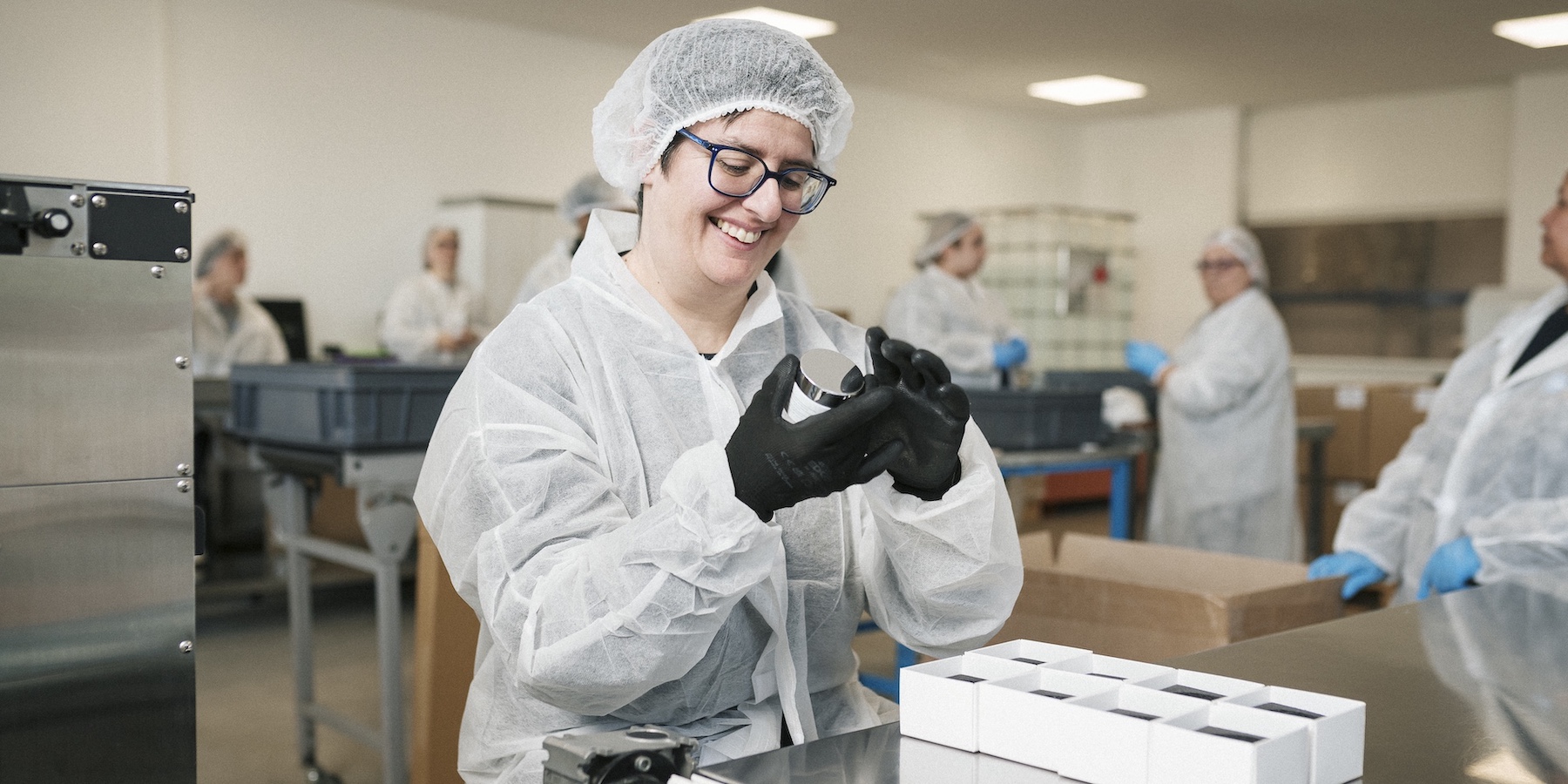
TEB operates as a production and value-added partner for large brands and retailers in various industries. In the paint sector, it not only packages but also manufactures products for multiple brands, as well as developing its own brand, TColors. In the food sector, it specializes in the packaging of dry and dehydrated products, such as salts and spices, producing both private label lines for large European retailers and its own gourmet brand, ANMA, under certified food safety standards. In the publishing and games sector, TEB manufactures boxes, die-cuts puzzles and assembles complete board games, effectively acting as an outsourced factory for publishers by integrating packaging, component handling, and final assembly. The group has also expanded into the cosmetics sector, where it makes secondary packaging and has invested in cleanrooms to perform the primary filling of cosmetic products, thus adding higher-value industrial capabilities.

Beyond manufacturing, TEB offers extensive repackaging and retail preparation services for fast-moving consumer goods, turning bulk production into supermarket-ready products. In all these activities, TEB combines industrial production, contract manufacturing, own brand development and last-mile packaging services, while fulfilling its core mission of creating stable employment for people with intellectual disabilities.
But they consider themselves more than just an employer. TEB provides stable employment to about 1,400 people (of whom 800 have intellectual disabilities) in industrial production and service activities, enabling them to participate in the labor market. Work is just the starting point: through income and responsibility, people gain the ability to make their own life decisions—about housing, relationships, leisure, and retirement—just like anyone else. As I meet with some of the leaders of the organization, Roger Jérez, Director of the Industrial Business Area of the TEB Group and President of the TEB Barcelona Cooperative, tells me: "TEB is the lever that allows people with intellectual disabilities to make the same decisions that you and I make about our lives." (Nestor wasn't lying—what an interesting gem of an organization this is!)
This social enterprise also extends its mission to housing through assisted residences, guaranteeing stability and continuity in care. It actively promotes participation in sports and social activities to strengthen relationships and community integration. Finally, through its guardianship base, TEB offers long-term legal and life planning support, offering families peace of mind about the future. This includes overseeing financial, housing, and health decisions when necessary. In short, TEB creates an integrated ecosystem designed to ensure that people with intellectual disabilities can live with dignity, autonomy, and long-term security.
THE NEED FOR LEAN
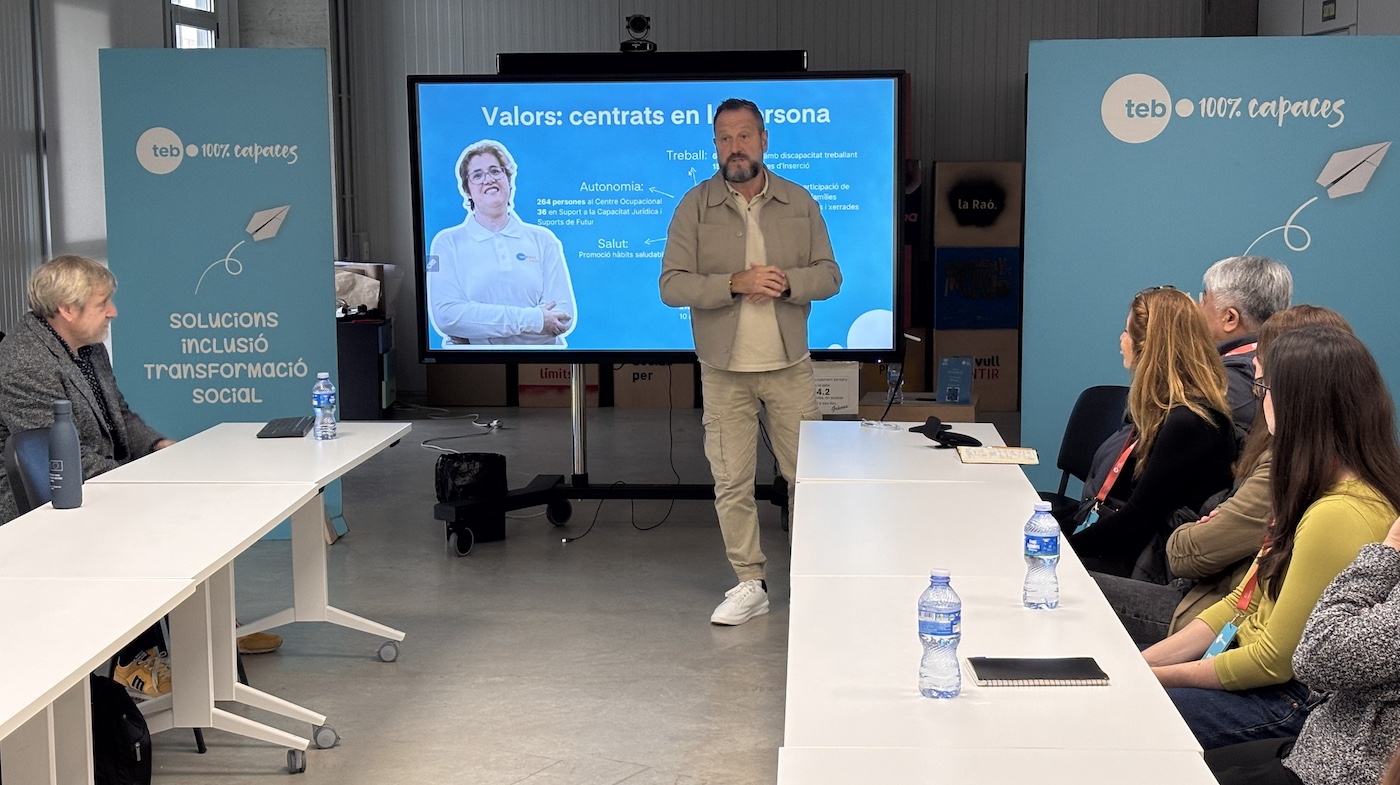
As Roger explains, "Over the years, we've grown in various sectors and our volumes have reached a point where we start to need more efficiency in our operations, as well as a way to improve resource utilization and eliminate waste."
TEB is a complex organization, and this complexity was beginning to threaten its competitiveness. The challenge was not only to improve processes, but also to introduce a common thread that could begin to shape a culture of systematic improvement in both the social and industrial spheres of the organization.
Leadership understood that this transformation had to be intentional. Lean was not introduced as a great revolution, but as a disciplined way to build improvement from one corner of the organization and allow it to expand. Importantly, the initiative was driven from above. Management insisted, acknowledging that without a clear commitment by leadership, it would never make it to the workshop.
There was also a strategic urgency. TEB competes with ordinary private companies. In cosmetics, publishing production, and various industry sectors, they describe themselves as operating at the level of "champions." To stay there, they needed champion-level processes. As Roger points out, "Lean definitely gives us more efficiency and resources to get there."
Interestingly, the users themselves represent a powerful source of energy for change. Albert Muñoz, Operations Director, observes that people with disabilities who work at TEB tend to show a noticeable openness to improvement: layout changes, ergonomic adjustments, visual management—"Help me work better." In many traditional companies, resistance to change is a constant battle, whereas here there was already a willingness to improve.
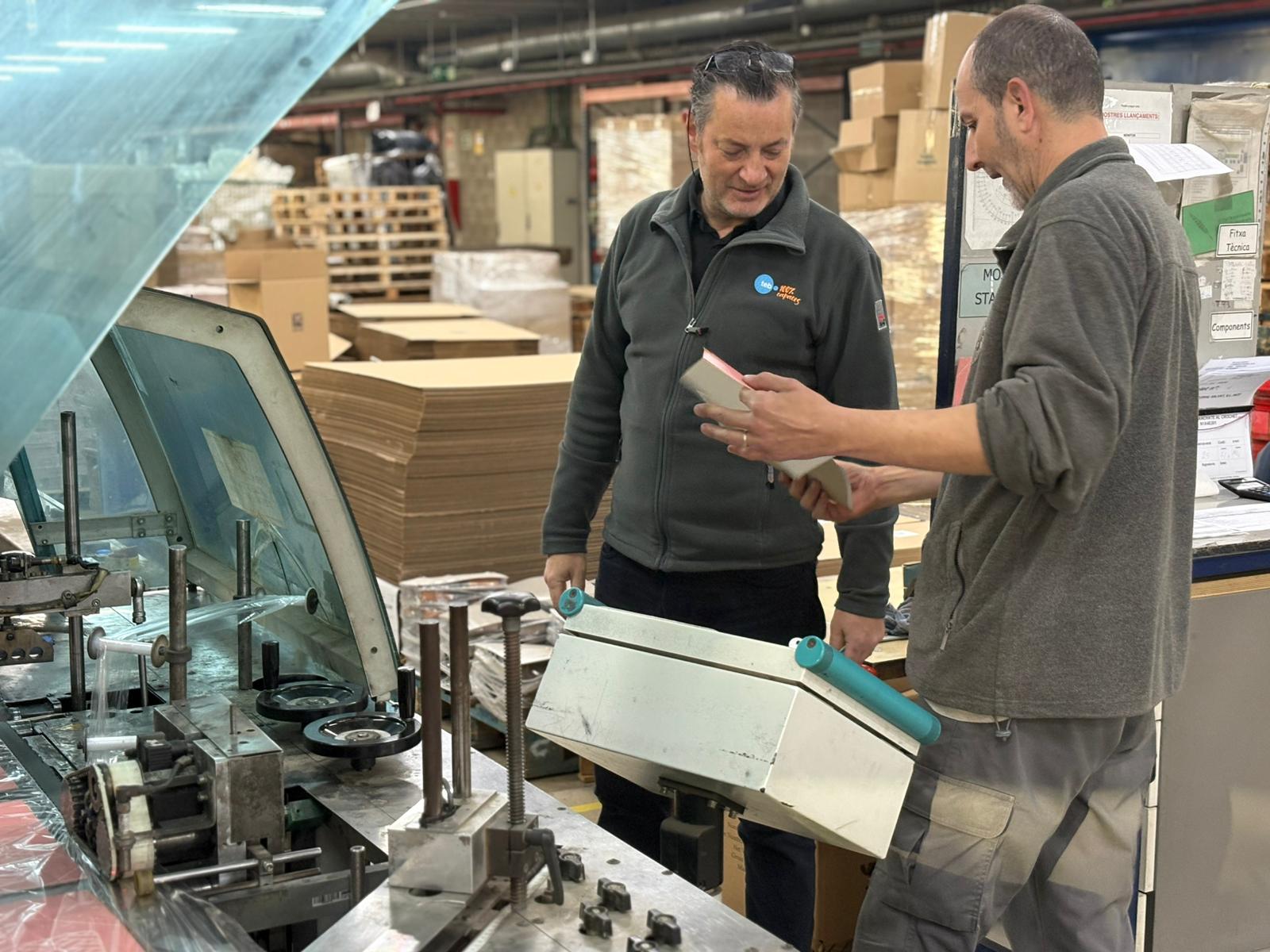
The biggest difference was somewhere else. TEB has an extraordinary reactive capacity. When a crisis occurs, the organization responds quickly and creatively. But, as Albert admits, the root causes of problems are rarely addressed, demonstrating the need for more disciplined problem-solving. That realization made Lean not only attractive, but necessary. The introduction of A3 Thinking and structured root cause analysis—repeatedly asking, "What problem are we trying to solve?" and delving into the "why"—opened up a new perspective. Instead of looking for definitive and punctual solutions, teams began to internalize incremental improvement. As Roger reflects, "Just learning to ask the right question was already a breakthrough."
The turning point came with the Green Belt training provided by the Instituto Lean Management. Rather than limiting Lean to operations or engineering profiles, TEB deliberately formed a cross-functional cohort of 18 people. Psychologists, pedagogues, social workers, maintenance personnel and some technical engineers were included. The message was clear: Lean isn't just for manufacturing (which, in fact, was underrepresented in the first cohort), but for the entire ecosystem. The presence of external trainers—such as Néstor himself and Anna Voltes (who speaks the language of health and social services)—helped to bridge the gap and address scepticism, especially in administrative and social areas that initially had difficulty seeing how Lean could be applied to "office" work.
These 18 green belts became early adopters: internal "tractors" capable of driving change. The ambition is for Lean to gradually penetrate daily work, especially among front-line users and teams. TEB understands that Lean is the operating and thinking system that will allow them to maintain growth, reduce recurring problems, and remain champion-level competitors, without losing their mission.
THE IMPROVEMENTS
Many of TEB's early lean improvements were deliberately simple and practical. An example is the weekly psychosocial reviews that line supervisors must carry out with operators. What was supposed to be a meaningful "preventive" conversation about motivation and well-being had become a routine exercise laden with paperwork—more about filling out forms than interacting with people. The team analyzed how much time was actually spent, identified duplication between social and production teams, and simplified the process to reduce transcription and unnecessary steps. It was a classic case of removing small "mudas" (waste) that accumulate in the every-day work.
Other projects addressed administrative overload in care activities. For example, the process for authorizing and paying small monthly allowances to users of occupational programs required disproportionate documentation and cross-departmental approvals—spending far more on administrative effort than on the value of the payments themselves. Similarly, communication gaps between guardianship, medical prescriptions, and day-to-day operations led teams to experiment with simple visual coordination tools, such as Trello-like boards, to ensure follow-up and accountability (especially difficult to achieve in decentralized organizations like TEB). In these initiatives, the focus was not on major transformations, but on preventing projects from stalling and turning problem-solving into sustainable, practical change.
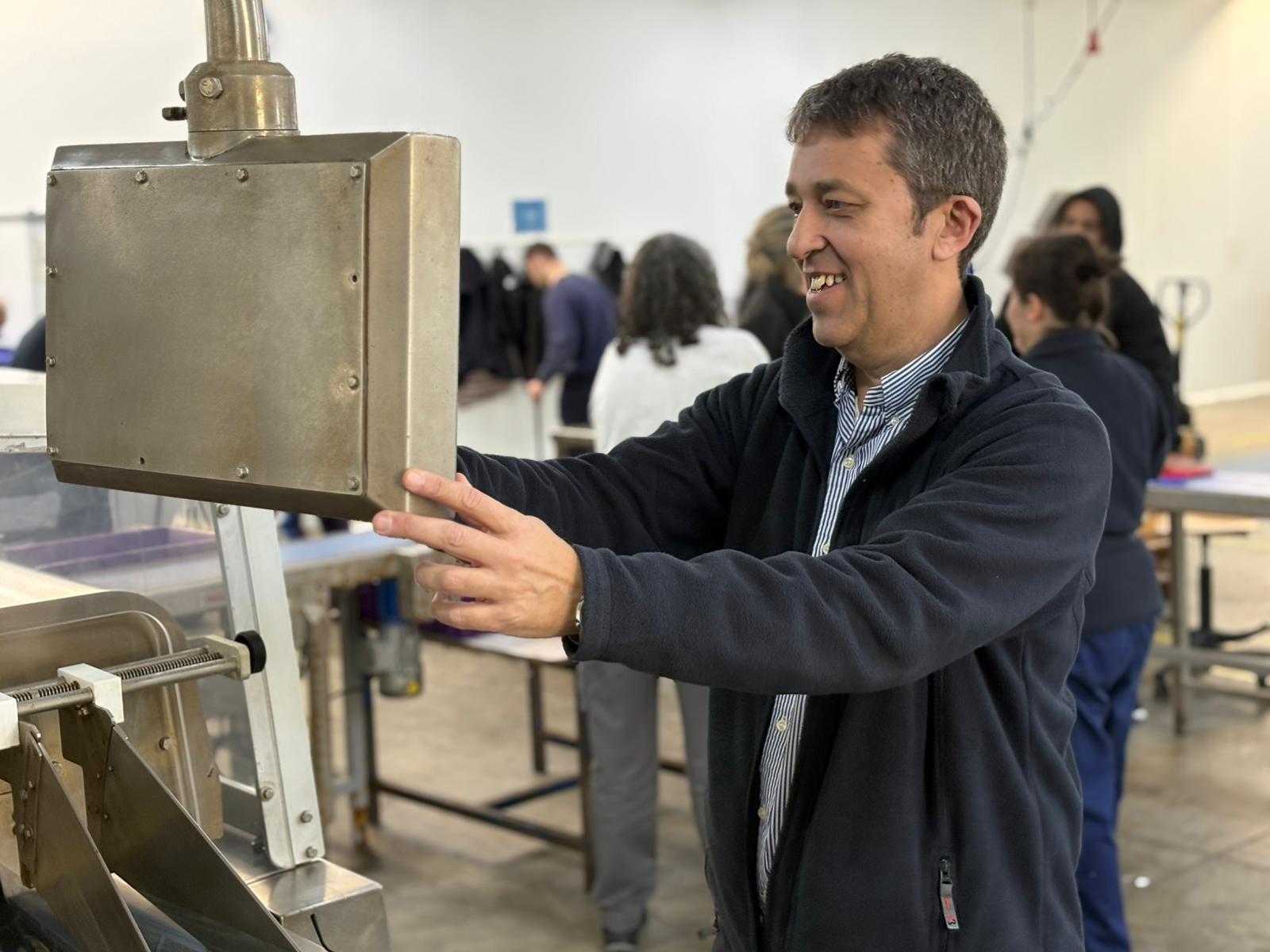
As lean projects progressed, a new perspective emerged: competitiveness at TEB is not only about eliminating waste, but about rethinking automation and capacity. As Albert explains, the instinct in a traditional company is to automate highly repetitive tasks. But at TEB, things are different: many workers can perform routine, repetitive operations reliably, while fewer are able to perform tasks that require higher levels of abstraction or numerical handling. "Counting is a complex issue for us," he says. In this context, Lean Thinking was oriented towards protecting and supporting scarce skills, reducing bottlenecks and increasing versatility, so that processes did not depend on a single individual. The goal was to design systems that would help them succeed and free monitors from excessive administrative burden.
In this environment, routine and visual order—which, according to Albert, "we Mediterraneans often resist"—are powerful stabilizers. For many users, predictability reduces anxiety and boosts confidence. Simple visual metrics, such as tracking the daily cadence of production on a shrink wrap line, had a disproportionate impact. No need for sophisticated OEE panels; knowing the pace of their work gave clarity and peace of mind to the operators.
Carlos Garcia, from maintenance, explains that Lean brought structure and clarity to an area that previously operated in a more reactive and informal way. Although a theoretical preventive system existed, it was designed without maintenance intervention and required digital input that no one used consistently. The real problem was not technology, but usability. Through an agile project, they moved towards a much more visual and operational approach: printed preventative work orders posted in the office, clearly organized by weekly and monthly tasks, so that technicians simply take their sheet and go to the line.
The change also helped to bring order to corrective maintenance. Before, requests came in informally—someone stopping you in the hallway—and the days were filled with activity but without traceability. Now, interventions are centralized and structured. The objective is clear. As Carlos says, "the idea of preventive is to reduce the need for corrections." While it's still difficult to get teams to document what happened, they're already seeing improvements, starting with better visibility into incidents by the machine.
The environment makes maintenance particularly complex. With only four lead technicians covering highly variable production lines, constant format changes, small batches, and machines moving between areas, standardization is a challenge. Flexibility is essential, and even the location of the equipment had to be managed visually in a table to avoid wasting time searching the plant. Rather than starting with digital tools, maintenance is first about building disciplined and visible routines, laying the groundwork for more advanced practices like TPM in the future.
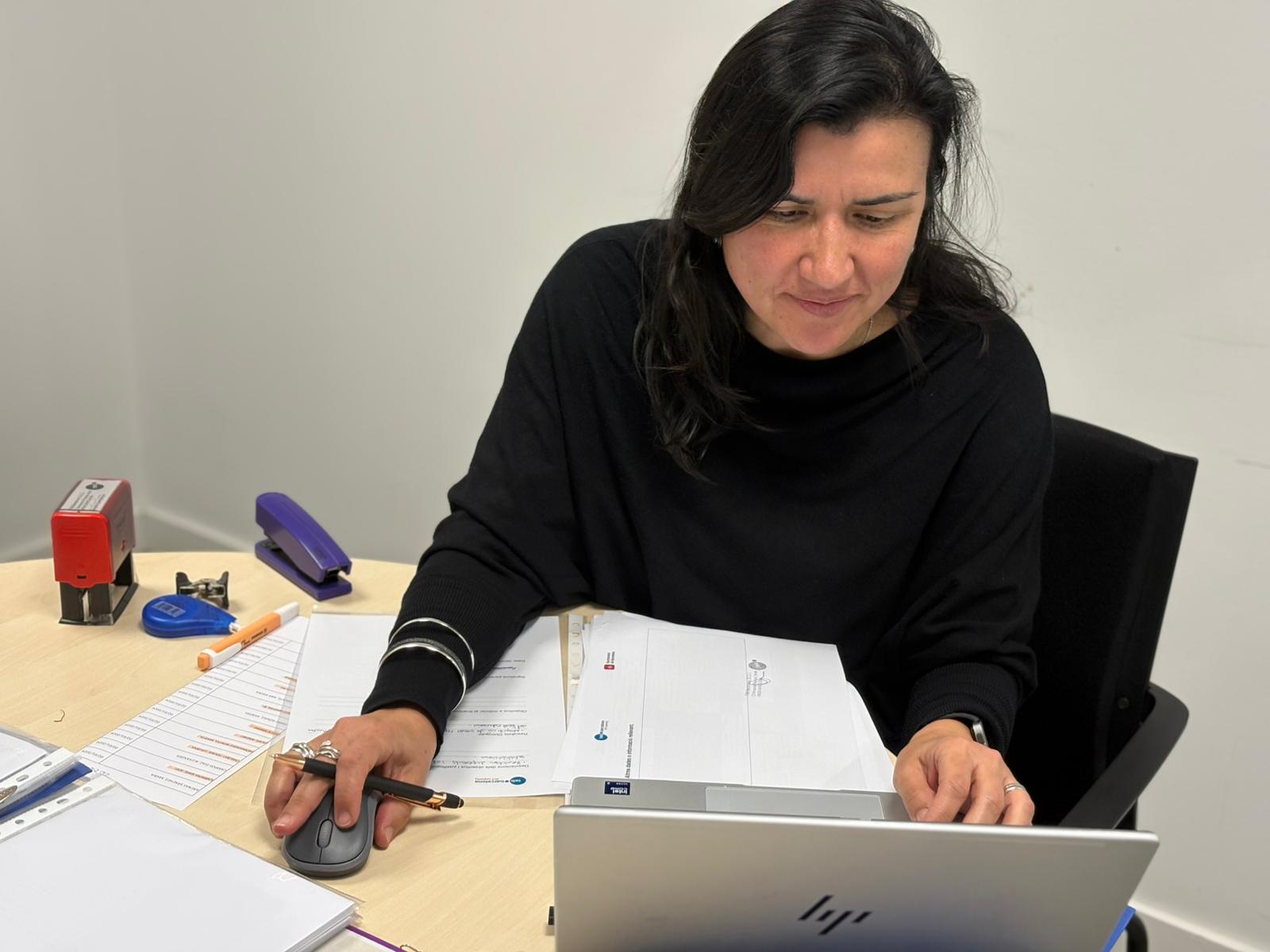
There were other projects. Claudia Bustos, for example, coordinates a public job placement program that supports people with intellectual disabilities in accessing jobs in ordinary companies, a program that has grown rapidly from a small pilot to a multi-site operation of 60 people, subject to strict annual grant evaluations. As funding depends on detailed documentation, scores above 90 out of 100, and demonstrating innovation and results each year, the administrative burden had become overwhelming and processes were inconsistent. Using Lean, the team mapped and optimized documentation flows, eliminated duplicate tasks, aligned calendars and reports, and began creating a practical process manual to help new staff. As Claudia explains, "small adjustments—such as coordinating documentation with team meetings rather than handling it in chunks—led to significant gains in time, clarity, and control."
"Little by little" is the approach that another project follows as well. This focuses on improving the flow of medical information between the housing service and the Guardianship Foundation, which jointly support people with complex health needs. Previously, critical appointment, prescription, and treatment updates were shared informally—via email, WhatsApp, or verbal messages—leading to loss of information, confusion during staff rotations, and inconsistent follow-ups. After mapping the process and prioritizing high-impact, low-effort actions, the team introduced a simple visual coordination system, using Trello-style boards to make responsibilities, tasks, and medical follow-ups visible and assigned in real-time. Rather than redesigning everything at once, they took an incremental approach to create safer, more reliable handoffs and reduce reliance on memory or individual initiative. María Ganigué, member of the project team together with Nuria Font and Raquel Velasco, tells me: "We are taking small steps. It's like renovating your house when you don't have all the money you need at once. You start small and go from there."

A SHARED RESPONSIBILITY
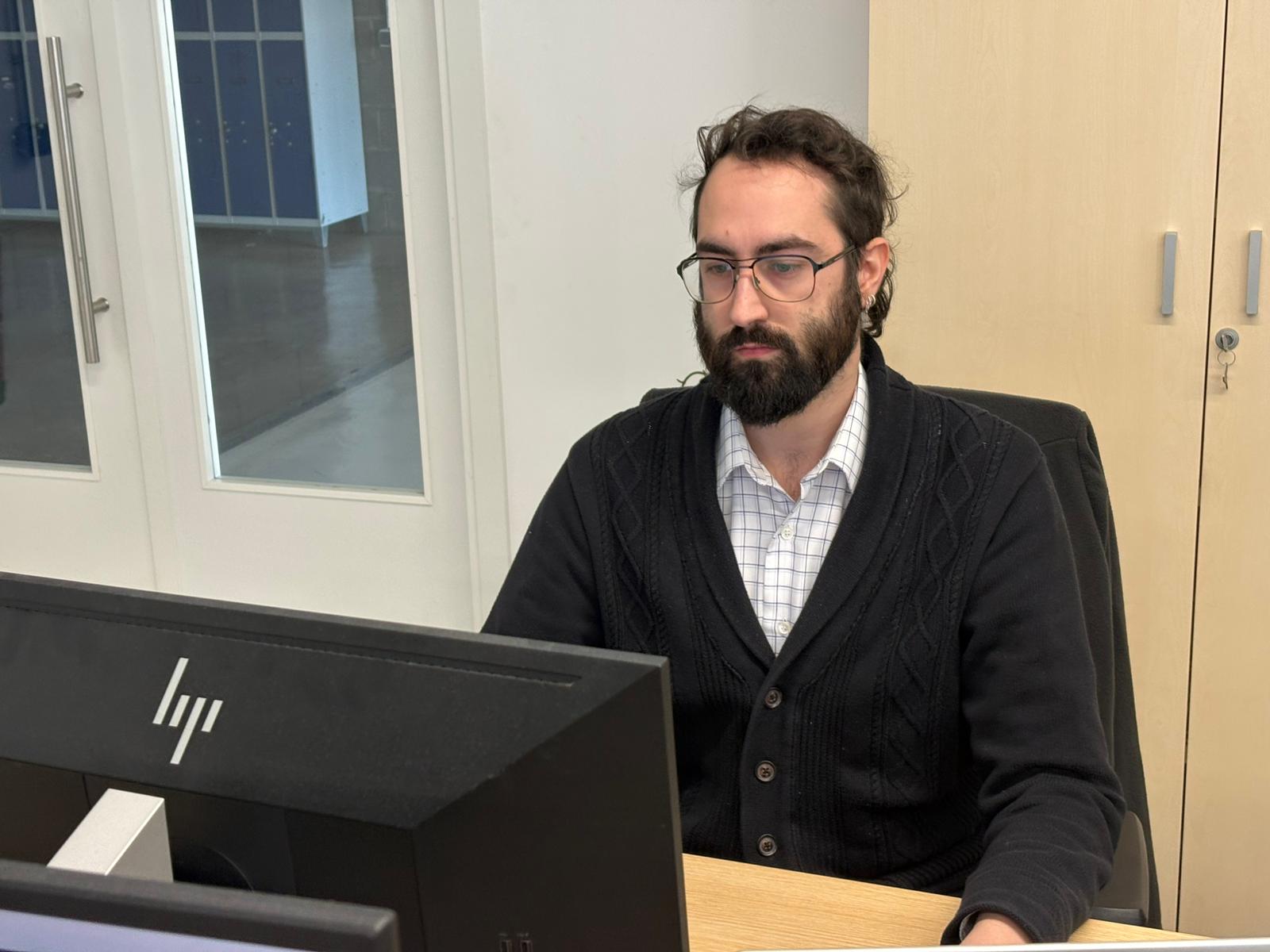
Before Albert, Néstor and I embark on a gemba walk through the TEB plant, we meet Iñaki Fernandez from Human Resources. He tells me that Lean surprised him positively from the first moment. He doesn't see it as a passing initiative, but as the methodology TEB needs to sustain its recent push towards process improvement and cross-departmental alignment. In an organization where things like industrial production, landscaping services, and social care coexist, Lean offers a common language. As Iñaki says, it helps to "optimize processes and foster mutual understanding between departments, so that, ultimately, each of us can keep the people we work for at the center of everything we do." For HR—after a year of restructuring and new hires—Lean is becoming a shared commitment, with almost half of the department joining the next round of training (scheduled for this year).
A key change was in how TEB understands training. Historically, capacity building meant enrolling in a "cursillo" (a "small course"), in things like ExCel, for example. Now it is rethought as a construction of capacities linked to real improvement. As Iñaki says, the objective is to move from isolated courses to a cycle where you learn, request, monitor and evaluate if the change is maintained. Albert adds: "Instead of just training people, we are developing their capabilities." Lean is not about teaching tools in isolation; It is about allowing autonomy and responsibility so that knowledge is cascaded throughout the organization.
Albert continues: "We don't have a lean team here; this is a shared responsibility. What we cannot do without, however, are internal facilitators: agents of change with enough seniority and influence to drive adoption in this large and heterogeneous system." So far, 18 people have been trained to become Green Belts capable of translating Lean in both social and manufacturing contexts.
Perhaps the most important cultural battle is to change the default response from "give me more resources" to a more disciplined question: "What problem are we trying to solve?" Instead of asking for more resources or new computer systems, Lean encourages teams to examine how often a pallet is unnecessarily moved, how many loops a communication takes, or where a process fails. In a non-profit organization that reinvests every euro and cannot rely on constant capital investment, this mindset is critical. Transformation, as Albert suggests, lies in learning to ask what can be improved in what already exists—and in building agents of change who ensure that this way of thinking permeates the entire organization.
Before long, I'm walking the gemba with Albert. He proudly shows me the work that goes into TEB's large, multi-storey production facility. What I see is bringing to life the information the team has shared with me so far, as I watch the work—from bottling paint to assembling board games—and the processes become clearer in my mind. With its people so predisposed to rely on routines, it's clear to me that Lean is the perfect methodology for TEB.

Artur Feijóo, Managing Director, seems to agree. He has come out of a meeting to greet me and share his point of view on the transformation. One of the key lessons for him has been that Lean empowers people as much as it improves processes. "Lean helps us empower people by developing their capabilities and, in doing so, makes them feel more confident in their abilities and their work environment," he says.
In fact, one thing I learned today during my visit is that TEB employees who went through the training have become more motivated, more confident in their ability to contribute, and more aware of how their work connects to the whole. Lean projects brought together people from very different areas to solve cross-cutting problems, creating a shared understanding and stronger collaboration across the organization. Progress requires repetition and sustained effort, but TEB's vision is clear: a more collaborative company, with more people trained in all departments, actively seeking daily improvements, and building a culture of continuous learning. I'm sure they'll succeed.
THE AUTHOR

Read more


FEATURE - This set of guidelines will help you to understand how to properly structure your lean transformation, keeping into account the entire organization as it tries to embrace and manage change.

FEATURE – As inflation bites, the author offers us an insightful take into what it really means to understand a company’s costs. Hint, it doesn’t involve passing them on to customers.
OPINION – Development managers and start-up entrepreneurs are under the illusion that innovation is just the work of especially talented individuals, but in today's world resource sharing and teamwork are preferable.

INTERVIEW — In this Q&A, Michael presents his latest book—a glossary of lean terms that’s meant to challenge our long held beliefs about lean concepts, and to make it fun.
Read more

FEATURE – We spend a lot of time talking about innovation, but what is the actual impact of leveraging lean to achieve it? As the author points out, the potential is huge, provided certain conditions are met.

WOMACK’S YOKOTEN – The author looks at hoshin planning, A3 thinking and daily management as the three key elements of a lean management system, and highlights the related behaviors that will allow lean to thrive.
INTERVIEW – Prior to his talk at this year’s Lean Transformation Summit, the CEO of a large apparel manufacturer tells us about the company’s lean journey, and its impact on Sri Lankan society.

CASE STUDY – Following one of the deadliest hurricanes in US history, an NGO started to use lean management principles to speed up the reconstruction of homes in the Louisiana city… and the results were impressive.