


The road to ownership-based leadership
FEATURE - Based on his 25-year leadership journey, the author discusses how ownership-based leadership fosters responsibility, resilience, and sustained organizational excellence.
Words: Roman Dziuba
After more than twenty-five years working in production and operations across 30+ plants in 15 countries, I have reached a clear conviction: the most ethical and effective way to run an organization is through ownership-based leadership. This belief did not emerge from theory alone. It was forged through decades of hands-on experience—designing plant layouts, implementing lean systems, leading transformations, and working side by side with teams across Europe, Asia, and North America.
Sometimes I feel like a character from a Jules Verne novel, returning from a long journey through the world of business. At one point, I flew so much that in a single year I covered the distance from Earth to the Moon—and the next year, I made the return trip. My career has taken me across three continents, through periods of rapid growth, deep crisis, and profound transformation. What sustained me throughout this journey were consistency and discipline—the same forces that helped me run over 1,100 kilometers in a single year back in 2018. To me, they represent the very essence of leadership.
LEADERSHIP AS A PERSONAL JOURNEY
My leadership philosophy rests on five pillars. The first is self-awareness: understanding one’s values and sense of purpose. For this, I drew inspiration from Viktor Frankl and Man’s Search for Meaning. The second pillar is commitment and courage, embodied for me by Matteo Ricci, a 16th-century Jesuit priest whose respect for other cultures enabled meaningful dialogue across civilizations. The third is reflection, inspired by Marcus Aurelius’s Meditations—the ability to learn from both success and failure. The fourth is faith in people, and the fifth is the energy to inspire, exemplified by Nelson Mandela’s ability to lead through hope rather than power.
These ideas deepened as I moved through three different companies, from automotive supplier GKN Automotive to construction chemicals at Selena Group, and later to bus manufacturing at Solaris Bus & Coach. Along the way, working across different businesses, companies, and cultures taught me how dangerous it is to limit my perspective to a “single story” (as Chimamanda Ngozi Adichie calls it) and how essential openness and humility are to leadership.
CRISIS, GROWTH, AND ANTIFRAGILITY
Some of my most formative lessons came during periods of disruption. Early on in my career, while managing engineering projects, I watched some of our most talented people leave as new companies opened nearby. This experience taught me that retaining people—and giving them reasons to stay—is a leader’s first responsibility.
Later, when I was a plant director in Poland in 2008, we faced the global financial crisis. Cost reductions, restructuring, and optimization were unavoidable. Yet the years that followed brought renewed growth and expansion. It was during this cycle of collapse and recovery that I discovered a deeper truth: success is not only about clear goals and hard work, but also about intuition—the ability to recognize opportunity when preparation meets courage.
I’ve learned to expect the unexpected. “Black Swan” events—as Nassim Taleb calls them—ranging from economic shocks to global pandemics, distinguish organizations that merely survive from those that grow stronger. This is the essence of antifragility: not just resisting shocks, but learning, adapting, and improving because of them.
OWNERSHIP IN PRACTICE: ZONING AND GEMBA
I have found one solid way to gauge the level of ownership people feel toward the process they work in, which emerged from a simple question I ask in 2008 during my gemba walks at GKN: “Who owns this area?” Too often, the answer was vague or shared, which told me that no one felt truly responsible. So, together with my team, we developed a clear system of Zoning & Ownership.
We divided the plant into clearly defined zones, each with a single, visible owner at both management and team-leader levels. Supported by visual management, standardized work, performance boards, and regular Gemba walks, ownership became more than accountability—it meant caring for safety, people, order, performance, and continuous improvement. Over time, every area had exactly one owner, and visual indicators enabled better dialogue, faster problem-solving, and recognition. As ownership grew, so did engagement and pride.
The results were tangible. Improved flow, optimized layouts, disciplined information sharing through Obeya rooms, and a culture of accountability culminated in the plant receiving a global Excellence Award in 2013. To me, the award was not as important as what it meant: that our people believed the plant was truly theirs.
LEADERSHIP ACROSS CULTURES
As my responsibilities expanded to operations across Europe, Asia, and the Americas, cultural sensitivity became essential. Ownership-based leadership, I realized, transcends geography: whether in Europe, Türkiye, Japan, Thailand, Kazakhstan, or the United States, people respond to trust, clarity, and respect.
One of the most powerful lessons I learned came during my time in the United States. A colleague—a former army veteran—would ask his team every day not only about results, but also: “Who deserves recognition today?” That simple question changed how I see leadership.
Later, in a moment of deep reflection, I wrote a personal “confession”—a list of times I had failed to listen, avoided decisions, and missed chances to make people proud and help them grow. That was my turning point. From that day forward, recognition became a cornerstone of my leadership. Because when people feel seen and valued, they don’t just perform—they grow.
OWNERSHIP AND SAFETY AT SOLARIS BUS & COACH
Today at Solaris Bus & Coach, I stay focused and apply the reflections gained over the past two and a half decades. Manufacturing advanced, hydrogen-powered or battery buses is both complex and demanding. The safety of those who build these vehicles—and of the thousands who will use them every day—depends on disciplined processes, strict regulatory compliance, and a deep sense of responsibility.
I believe that ownership-based leadership is what makes this possible. When people act as owners, leaders can trust that they’ll do a great job. When trust exists, organizations can meet the highest standards of safety, performance, and sustainability—and build something truly lasting.
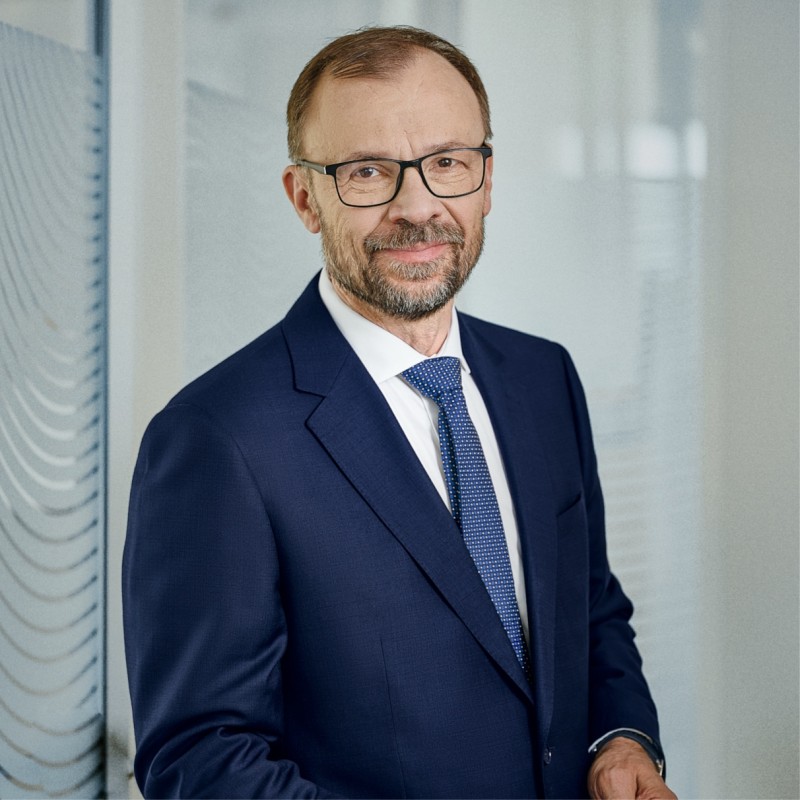
THE AUTHOR
Read more


WOMACK'S YOKOTEN – As a first instinct, most of us tend to provide answers and solutions rather than ask questions. In this month's Yokoten, Jim Womack provides advice on how to fight this behavior and become a coach.

FEATURE – What does it take to support a lean transformation from within? The author reflects on the role of the lean team in the turnaround of Brazilian insurance company SulAmérica.
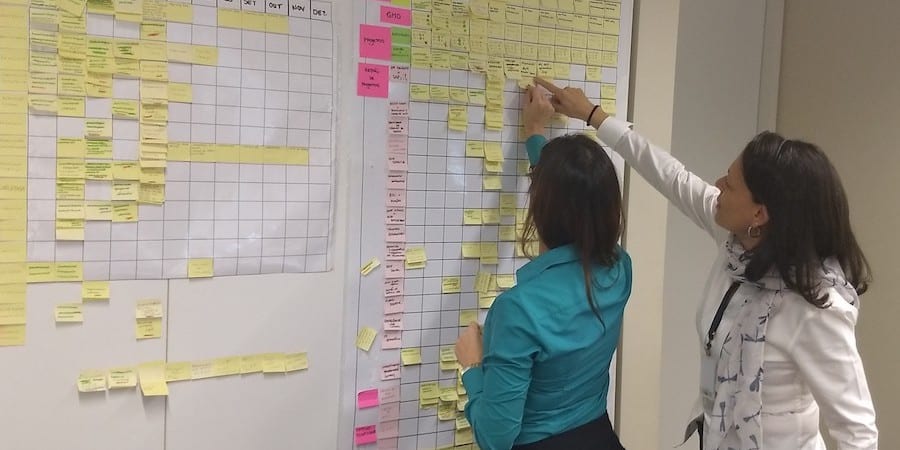
INTERVIEW – In this follow-up conversation with the Hospital Moinhos de Vento in Brazil, we learn about the elements that are helping them to make lean stick.

YOKOTEN – Lean has changed the world in many ways, even though the original vision of its founding fathers has failed to materialize. Jim discusses why, as a movement, we shouldn’t give up and review our strategy instead.
Read more
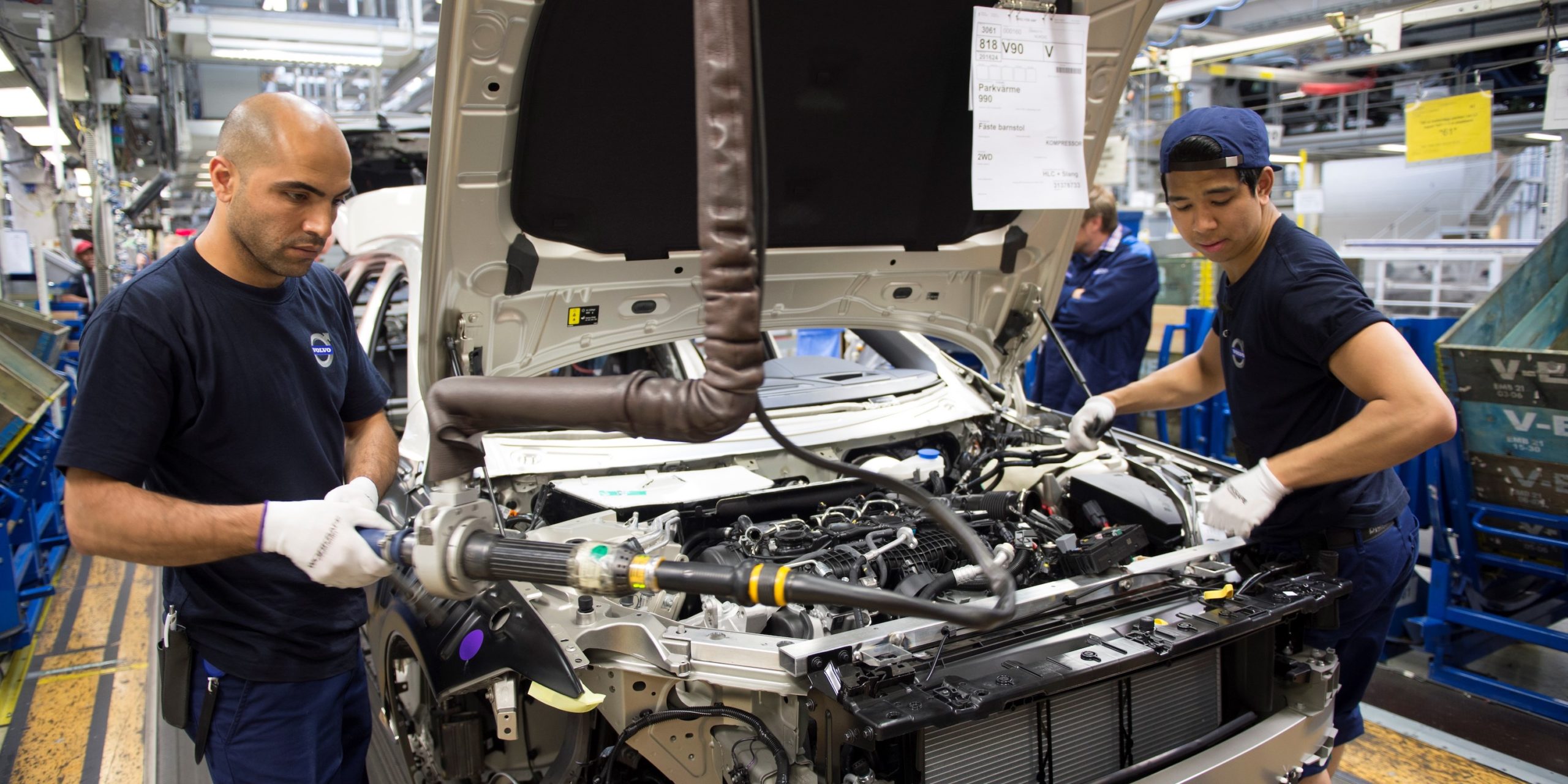
CASE STUDY – What is the approach to people development used at Volvo Cars? The authors explain how the organization has created a production system fully owned by operators and managers.

VIDEO – We constantly talk about the role of leadership, but perhaps we don't realize just how intertwined leadership transformation and business transformation really are. This short video discusses why.
FEATURE – The author reflects on the importance of standardized work in her daily life as a manager and explains why one can’t expect to run a company only using reports.
PROFILE – Before anything else, a good lean leader must be open to changing and continuously running experiments – something Christophe Riboulet, CEO of a small French manufacturer, knows quite a bit about.