

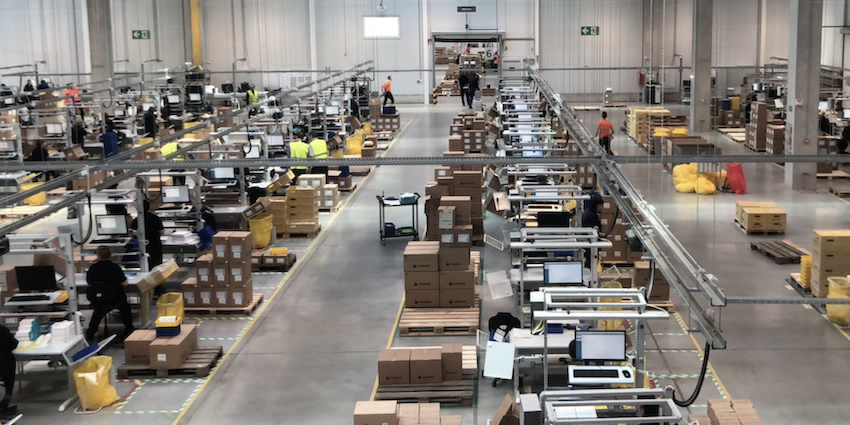
Jishuken at a Coloplast distribution center
VIDEO - In February, a group of Lean Global Network coaches visited Coloplast's Postponement and Distribution Center in Hungary to help the local team improve the internal lead-time across the facility.
Video by: Roberto Priolo, Managing Editor, Planet Lean
The Coloplast Parts Distribution Center (PDC) in Tatabanya, Hungary was experiencing long lead-times in its internal processes. At busy times, orders picked in the warehouse tended to accumulate in the Preparation area, creating a bottleneck that made the work difficult to handle for the workers in Packing area and caused delays.
With the help of an international group of coaches from the Lean Global Network (coming from Hungary, Ukraine, the US, Lithuania, Canada, Brazil and Turkey), the Coloplast team was able to quickly identify a number of issues in the three areas of the PDC and initiate rapid experimentation to try and tackle them. Jishuken is more than just kaizen: it is an activity with a strong focus on learning and capability development.
In this video, you will understand the problems facing the facility, the focus of this Jishuken activity and the impact it had on the way people at the PDC work and think.
Jishuken Lean Global Network team: Csaba Bereczki (Hungary), Csaba Szalay (Hungary), Beáta Bartha (Hungary), Mark Reich (USA), Cevdet Özdogan (Turkey), Hüsrev Yaman (Turkey), Laura Mottola (Canada), Augusto Fonseca (Brazil), Serhii Komberianov (Ukraine), Andriy Dmitriev (Ukraine), Tadas Puksta (Lithuania) and Donatas Kaminskas (Lithuania).
Read more
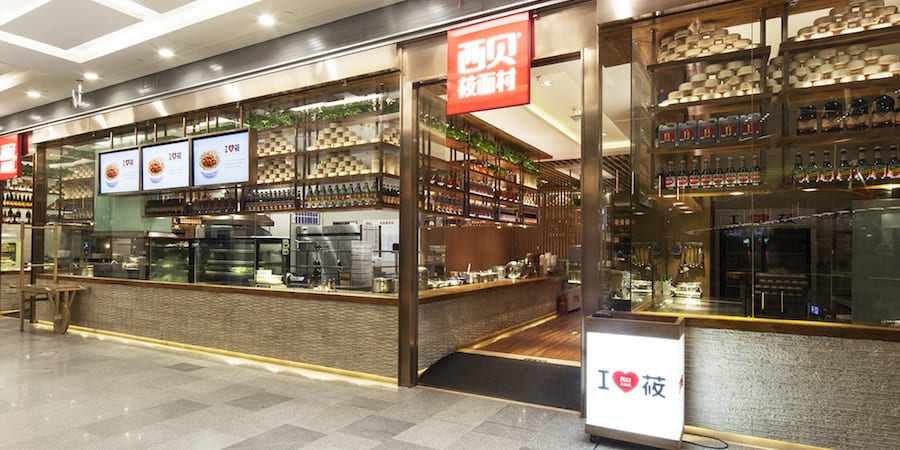

CASE STUDY – An entire restaurant chain going lean is not something you see every day. Coming all the way from China, Xibei's story of cultural change will inspire you to never forget the fundamentals of lean, from standardization to quality.

WOMACK’S YOKOTEN – The author looks at hoshin planning, A3 thinking and daily management as the three key elements of a lean management system, and highlights the related behaviors that will allow lean to thrive.

FEATURE – BRQ Digital Solutions shows that effective customer-focused improvement must happen from the inside out, with team development aligned with the pillars of lean digital transformation.

WOMACK’S YOKOTEN – As tariffs spread, the author explains where forcing production to move overnight is wasteful, particularly for lean producers.