


From Chaos to 15-Minute Service: How a Breakfast Restaurant Became a Lean Machine
FEATURE – How breakfast restaurant Omelegg used Lean Thinking to slash waiting times, eliminate waste, and introduce a 4-day work week.
Words: Michiel van Akkeren
In the fast-paced, demanding world of hospitality, the term “efficiency” can sometimes feel like an empty promise. But for Faraz and Nima Ghorbani, the founders of Amsterdam's wildly popular breakfast restaurant Omelegg, Lean isn't just a theory; it’s the foundation of their success.
Through years of systematic collaboration with the Lean Management Institute (LMI), they've transformed their restaurant into what guests now affectionately call a “well-oiled machine.”
Their promise? Every order, regardless of how busy they are, is served within 15 minutes. Sounds impossible? Not with Lean Thinking.
THE LEAN BLUEPRINT: PDCA ALL THE WAY
The journey didn't begin with replacing equipment, but with a fundamental shift in mindset. With Faraz, who had previously gained lean experience at LMI, serving as their lean champion, the team made the PDCA cycle (Plan-Do-Check-Act) their daily routine. Their motto? "PDCA all the way."
By continuously seeking optimization, even when things are going well, they tackled the biggest wastes in their process: waiting time and uncertainty.
HOW THEY APPLIED LEAN
1. Optimizing flow and eliminating waiting times
The journey started with… frustration: waiting times that sometimes exceeded an hour. To address this issue, Omelegg took radical action and, over time, renovated the kitchen four times, with a singular focus on flow.
A standardized kitchen layout meant that ingredients for hot and cold dishes were strategically positioned, drastically reducing the physical steps staff needed to take. This accelerated throughput and improved the work environment.
The ordering process was streamlined: by switching from a central system to handheld devices at the table, they cut order-taking time by 40%. The time between ordering and payment was reduced by 33%.
To achieve consistent serving times and ensure equal cooking times, the team standardized the thickness and size of all ingredients. The result? Guests at the same table receive their four different dishes simultaneously.
Overall, ticket time (from order to payment) was reduced from 45+ minutes to a consistent 15 minutes or less.
2. Eliminating waste (zero waste and inventory management)
Waste directly attacks your margins, and the environment. Omelegg has elevated waste elimination to an art form. Their Zero Waste policy is executed to the extreme: even bread crusts are incorporated into new dishes to prevent disposal.
For inventory, they often use a simple Kanban (two-bin) system. Transitioning from weekly to daily ordering (Just-in-Time), they drastically reduced their inventory, which led to 60% less storage space and 66% fewer emergency supermarket runs.
Innovation also played a role in ensuring time savings: their custom app saves a whopping 180 hours annually on tip administration alone.
3. The impact on revenue and people
The ultimate proof that Lean Thinking works is its measurable impact on both business results and employee wellbeing.
Through data-driven menu optimization (including heat mapping and ingredient reduction), Omelegg achieved a 7% revenue increase without raising prices.
But what about employee happiness? Well, the efficiency gains made the unthinkable possible: Omelegg has now moved to a 4-day working week for its full-time staff. This boosted employee satisfaction and made the company a magnet in Amsterdam's tight labor market. And thanks to a simplified training model, the onboarding time for new kitchen staff has been shortened from a month to just one to one-and-a-half weeks.
THE TAKEAWAY
Omelegg proves that Lean isn't just for manufacturing. In one of the most chaotic, unpredictable industries—hospitality—systematic application of Lean principles can deliver remarkable results: happier customers, happier employees, and a healthier bottom line.
The secret? A relentless commitment to PDCA and the belief that no process is ever "good enough." There's always room for improvement.
THE AUTHOR

Read more


INTERVIEW - To really change, an organization must use lean management as a strategic asset rather than just a set of tools. In this interview, Art Byrne talks about rewarding people and the process of transforming companies.

FEATURE – Is it possible to build our lean transformation efforts on pre-existing cultural aspects we find in our societies? According to the author, it is… and it works really well.

CASE STUDY – The extraordinary transformation of Kinross' Round Mountain gold mine in Nevada over the past six years shows that lean thinking can – quite literally – move mountains.
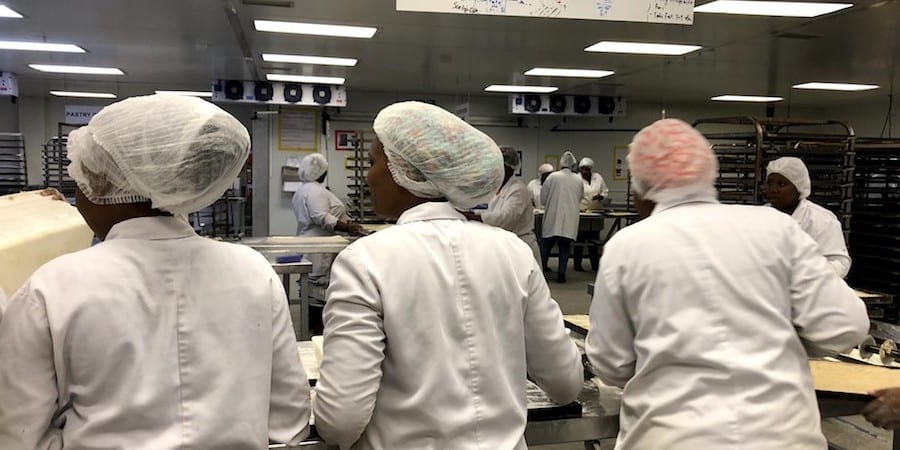
FEATURE – How reading lean books empowered people and transformed the managerial culture at an industrial bakery in the Western Cape Winelands in South Africa.
Read more

FEATURE – Our editor learns about the lean work taking place in two successful omelette-based restaurants in the Netherlands.
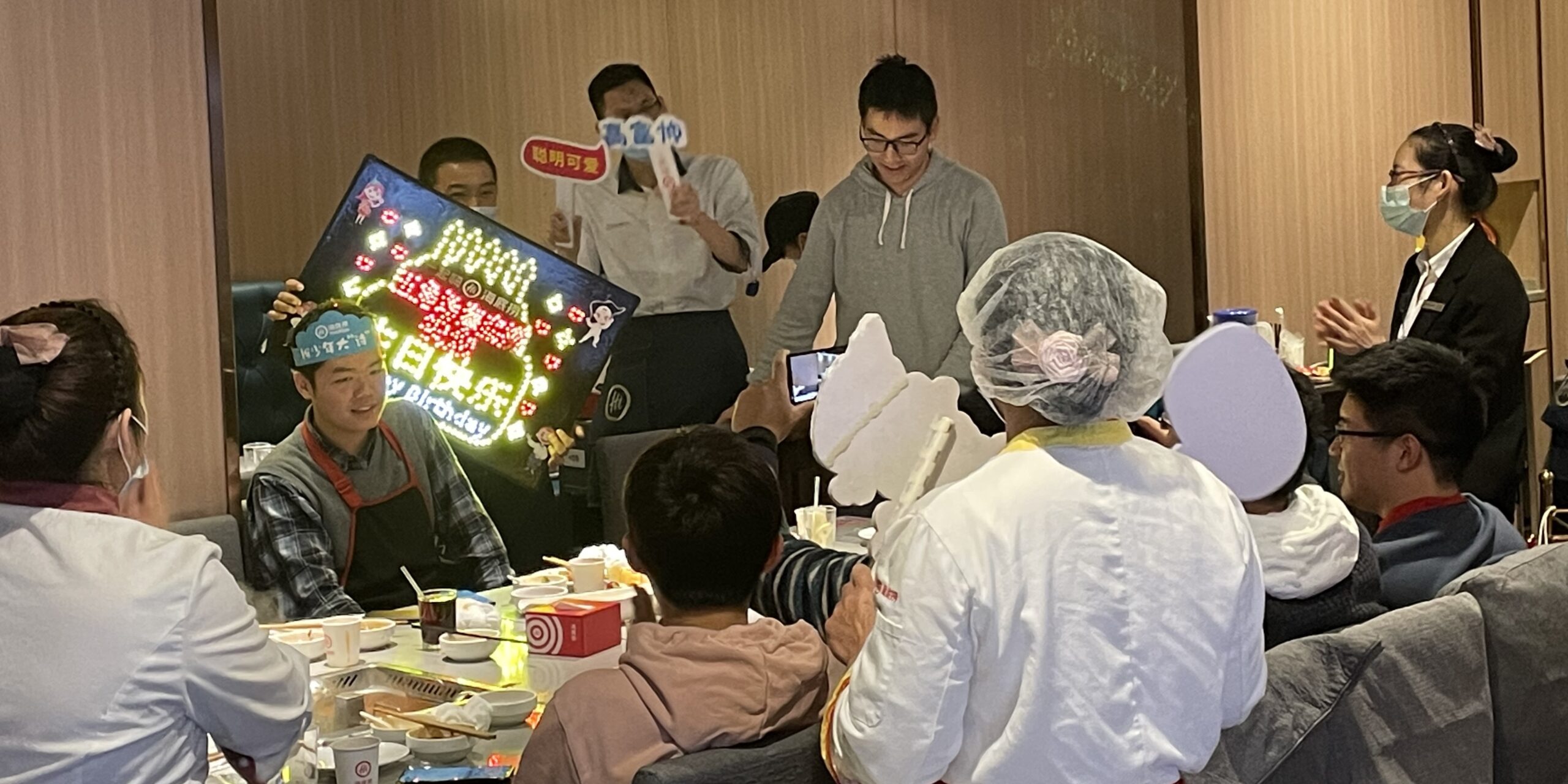
CASE STUDY – How does a small food shop in Sichuan turn into a $30 billion chain with around 900 restaurants in several countries? By always going the extra mile for customers!
INTERVIEW – An American group of restaurants is experimenting with the application of lean thinking in its kitchens and dining areas. Planet Lean had a word with the chefs to see what’s cooking.
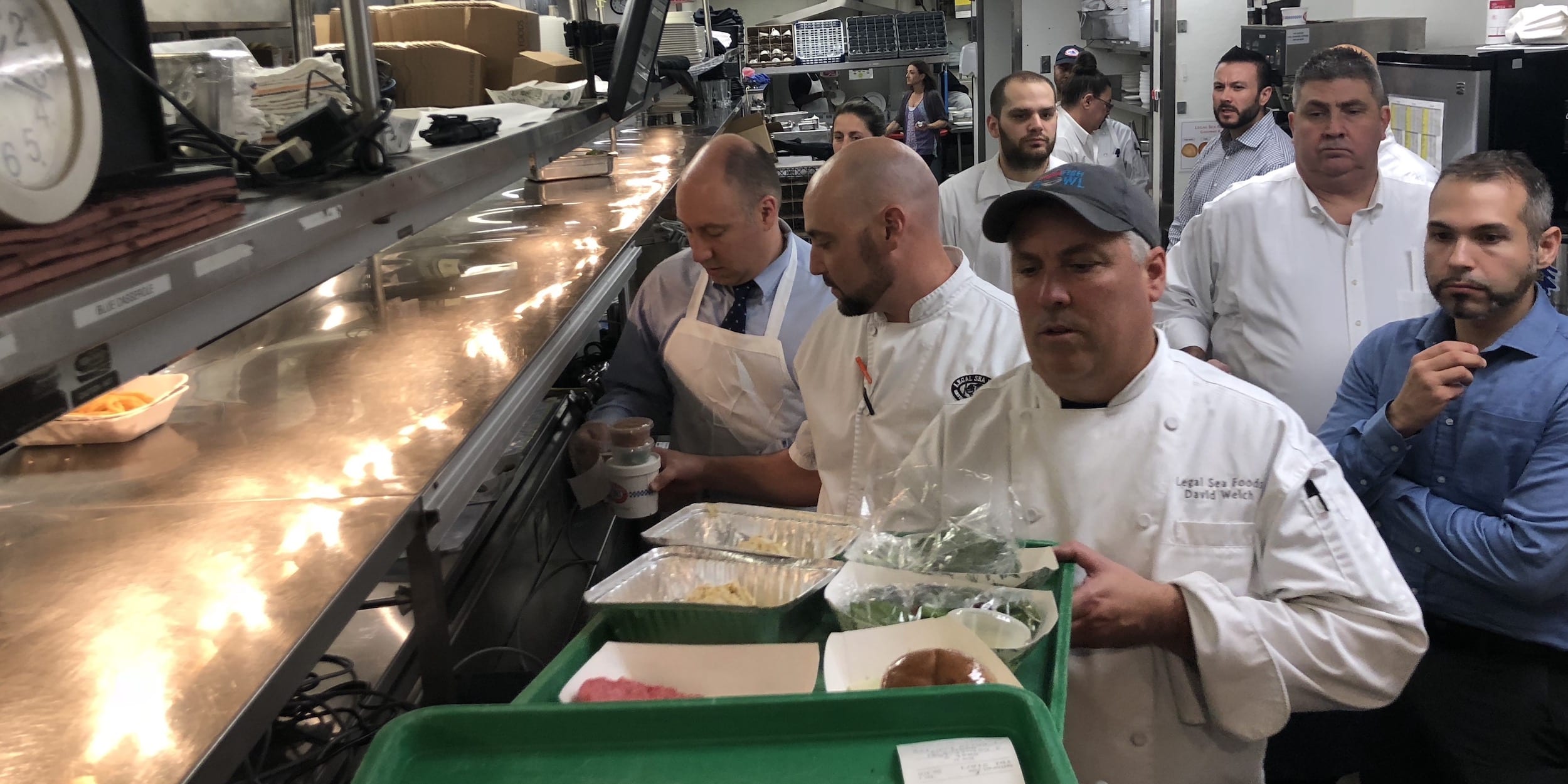
FEATURE – The lean mindset Legal Sea Foods has developed is allowing the company to run bold, aggressive experiments that might some day reinvent the way their restaurant kitchens work.