


Visual management in the Finance department of a car dealer
VIDEO - Visualization has an important role to play in creating awareness of the problems and highlighting gaps as a key starting point for improvement, and this Finance Manager does it with dedication.
By: Nizar Sherfodien, Finance Manager, Halfway Ottery - Cape Town, South Africa
By now, many of you will be familiar with the Halfway transformation (PL has been running this series for a few months) and the great results we have achieved here at Ottery and in other dealers.
As the old lean adage goes, you can't improve what you can't measure. Indeed, visualization plays a critical role in our dealership: not only does it help us identify problems, but it also makes visible the performance and quality of office work - which in turn helps us to link the flow across departments. Showing the importance of quality across the process goes a long way towards ensuring we all work with a common goal in mind.
Without visualization, many of the things that are making Halfway Ottery successful - starting with the cash-to-cash model we discussed last month in this article - simply wouldn't be possible.
So, let me show you the visual boards I use.
REFLECTIONS FROM THE COACH

Visual management has become intrinsically linked with lean thinking. Most of us know that we are trying to make normal from abnormal clear - making problems visible. Perhaps at a deeper level, good visual management helps us make more of the management system (and the thinking in it) visible. That’s really important, as it helps us identify the vital few issues, understand how well we are performing against them, and see whether we are closing the gaps we’ve identified. It’s also very important to identify and visualize the next things to work on, embedding PDCA into our way of working.
Dave Brunt, CEO, Lean Enterprise Academy
Have you watched our documentary on their lean transformation yet?

Read more


NOTES FROM THE GEMBA – This article explores how Sodebo’s leaders use TPS to scale craftsmanship, improve flow, and strengthen consumer focus across operations.

FEATURE – At the 2016 Olympics in Rio, the Japanese Men’s 4x100m relay team went from being the underdogs to winning a silver medal by apply lean problem solving.

FEATURE – Day after day, groundbreaking technological advances are dramatically changing industry. It is clear that we are now experiencing a new industrial revolution, but what’s the role of lean thinking in this Digital Age?
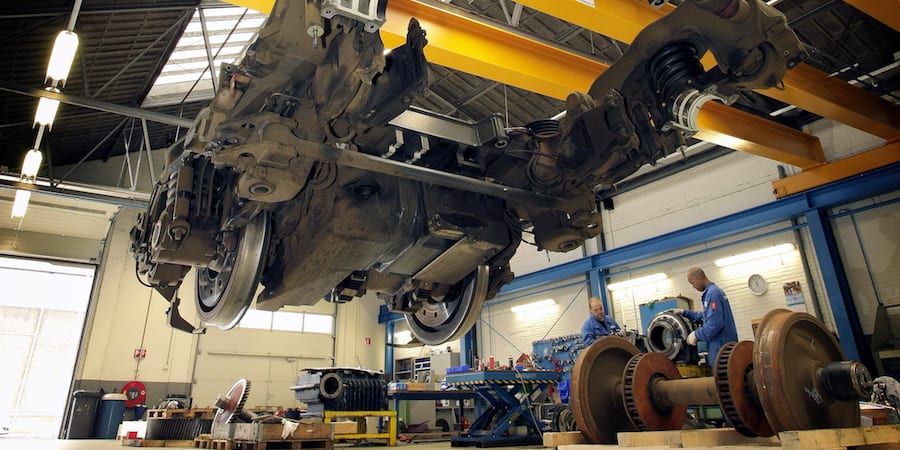
FEATURE – A Dutch company that maintains and overhauls train bogies has realized that in order for lean to work, a focus on continuous learning must be established. Here is how they are trying to get there.