


Toyota veteran Naoto Kitagawa’s 17 principles for chief engineers
BOOK EXCERPT - Learn about Naoto Kitagawa's 17 principles for chief engineers, as described in his recently-published book. Following this brief excerpt, Josh Shook and Jim Morgan provide useful commentary around some of the principles.
Compiled by: Lex Schroeder
Photo courtesy of Toyota
In October, the Lean Enterprise Institute published The Work of a Chief Engineer: Inside Toyota’s Revolutionary Product Development System by Naoto Kitagawa. The author, a former chief engineer at Toyota, takes you inside Toyota’s acclaimed product development system, sharing proven principles and lessons that any company can adapt to reliably create profitable, high-quality products that customers will actually want to buy. During his time at the company, Kitagawa was the Chief Engineer for the Camry, bB, Avalon, Solara, and many more vehicles.
At Toyota, the chief engineer (CE) is the program manager with total responsibility for the development of a product line. In this excerpt from the book below, Kitagawa’s “17 Principles for CEs” we learn what this unique role requires and why it makes such a difference. Read on for reflections from John Shook and Jim Morgan that help us understand what these principles look like in practice.
17 Principles for CEs
What qualities and qualifications are essential for a CE—the linchpin of product development? What mindset is required? [I developed the 17 principles] based on my experience and three core attitudes that I prioritized in every project I handled. The three attitudes are:
- Curiosity
- Empathy
- Imagination
I made it a point to cultivate robust curiosity, empathize with customers and the global environment, and visualize concretely what kind of car—including concept, vehicle packaging (like a house layout), design, and performance, etc.—would impress our target customers. Working with these three attitudes, I developed the following 17 principles required of a CE:
- Car planning and development is a passion; constantly envision original products, day and night.
- Acquire the organizational skills to accomplish ambitious goals.
- Possess an insatiable intellectual curiosity that surpasses everyone else’s.
- Master the ability to clearly express your thoughts and ideas.
- Build a broad network of people who will help in times of need.
- Consider yourself the personnel and administrative manager of your group.
- Check drawings with single-minded diligence and thoroughness.
- Diligently and thoroughly cultivate the field of cost management to achieve cost targets.
- Don’t leave how to sell your products solely to sales; devise your own promotional and sales strategies.
- Skillfully utilize experts for knowledge you lack, but never neglect your own studies.
- Lead by example—genchi genbutsu (go to the source to see the actual situation yourself).
- Practice interactive development with users at the earliest stage; when in doubt, observe customers.
- Consider development schedule delays the greatest shame.
- Diligently nurture young talent and the next generation of CEs; correct them sternly but skillfully on occasion.
- Be the most powerful salesperson for new market development; actively venture into new markets.
- Be grateful to everyone who supports you.
- Cultivate the physical and mental stamina to fight 24 hours a day.
------------------------
John Shook and Jim Morgan, who wrote the book’s foreword, recently joined Tyson Heaton on a Lean Enterprise Institute webinar to discuss this unique role of Chief Engineer at Toyota. In a far-ranging conversation, they elaborate on Kitagawa’s 17 principles for Chief Engineer.
- Summarizing Kitagawa’s list, Morgan reminds listeners, “The functional leader’s job is to create exceptional engineers; the Chief Engineer’s job is to create exceptional products.”
- Explaining principle 2, Shook says: “[The CE has] a tremendous, vast responsibility with no authority… There’s a paradox there. American organizational theory tells you don’t do that… in this case, that situation is what the CE lives with all day every day… [The CE] has to lead by influence, by getting people on board, by stating a strong case, [starting with] a nice succinct A3.”
- Speaking to principles 9 and 15, Shook notes how many hats a Chief Engineer needs to wear: “If the Chief Engineer is successful, the product will be successful… if there’s a place where organizations trip up, it’s finding the person with the skills of the Chief Engineer. [This person must be] a technician and a businessperson and an organizational savant.”
- On principles 11 and 12, Morgan points to Kitagawa’s storytelling of how he worked to truly grasp the situation and keep his focus on the customer in his role as CE: “Kitagawa did what any good lean practitioner would do. He started out at the gemba. He went to see the customer. He went to understand personally what this customer valued, what the product had to be, how to create a compelling vision for the value that this vehicle could take, and then he fought for it all the way through the development process…”
- Reflecting on Kitagawa’s Camry story specifically (and principles 12 and 15), Morgan says: “It’s a classic Toyota approach to product… It’s not enough just to have marketing go hold focus groups and write up a brief and share it with the team... They really immerse themselves in the customer’s world to understand how they were using their cars, what they expected of their cars, and most importantly, where the current model was falling short.”
At the end of the day, the Chief Engineer must understand what customers truly value and align the team around this vision. And, as Kitagawa says, they must do this without formal authority and with curiosity, empathy, and imagination. Morgan says it well: “One of the things that’s so important about the Chief Engineer role is the integration of all these disciplines and capabilities into a single product… [The CE] is the conductor who leads the orchestra and takes all of these various capabilities and integrates them into beautiful music.”

Read more


CASE STUDY – The reimbursement department of the largest independent insurance company in Brazil has brought together lean and digitalization to improve its service to customers.

FEATURE – As they progress on their lean journey, organizations need to learn to adjust their stance to the type of problem they face. Introducing his new book, the author offers precious tips on problem solving.
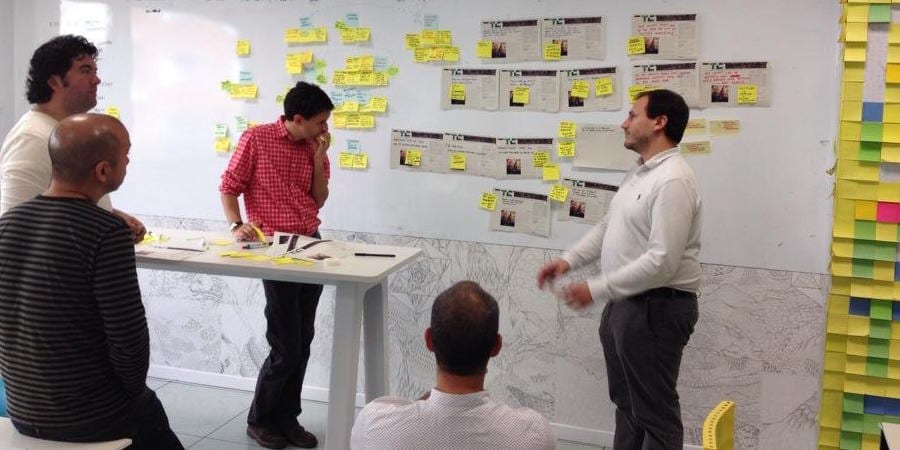
INTERVIEW – Planet Lean speaks with telecommunications company Telefónica about the organization's attempt to apply lean startup principles in its R&D department.

INTERVIEW – In 2020, GE Appliances had to stand up a brand-new assembly process for a new dishwasher. The leader responsible for the program explains how LPPD helped them to get it right.
Read more
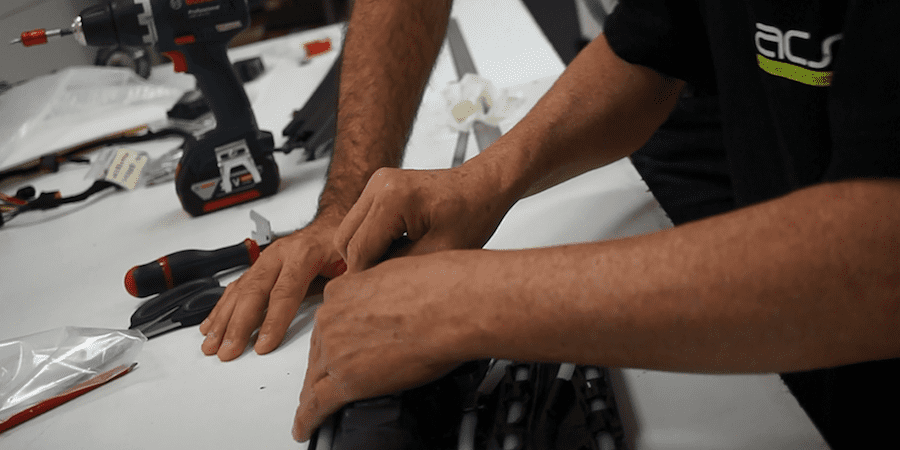
FEATURE – A French automotive supplier has been applying lean principles to transform its engineering department with great results. In the process, they have realized they could put in place a really effective system to build innovation.


INTERVIEW – Convinced that a product that is correctly engineered is easy to manufacture, this product development unit relies on lean thinking to ensure its remotely operated vehicles perform at their best.
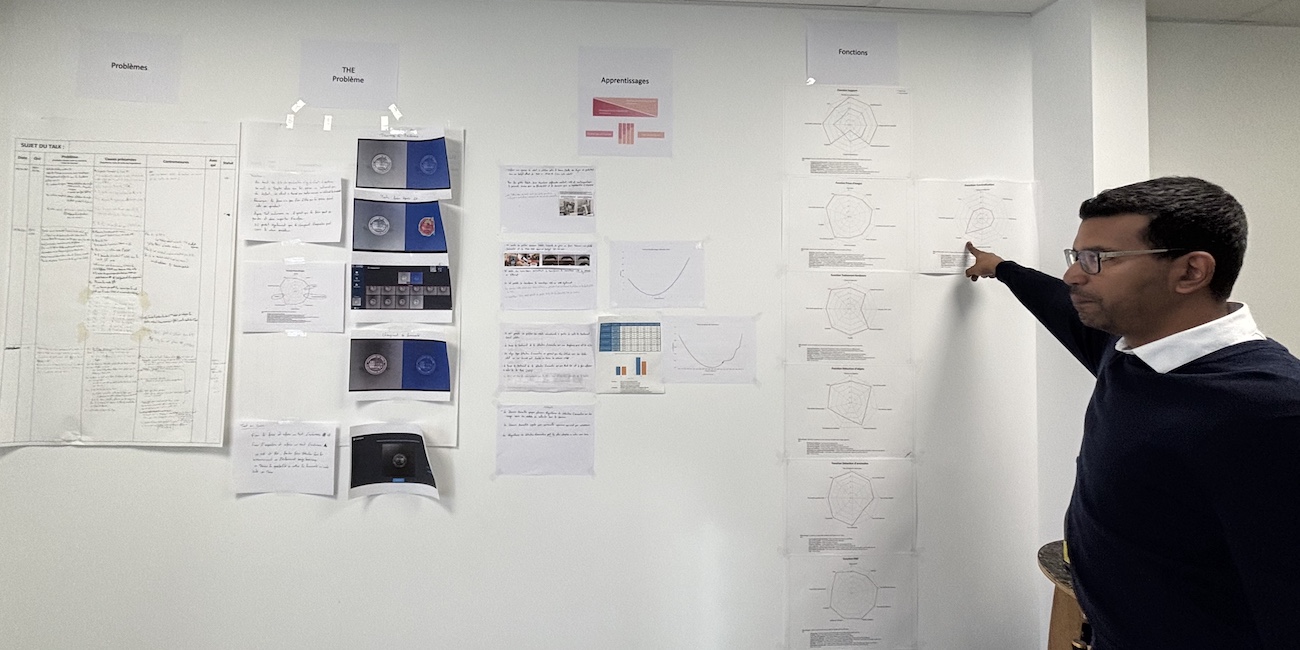
CASE STUDY – This French firm transformed its engineering approach through continuous learning, radical redesign, and user-driven innovation, evolving into a lean, resilient company with a strong culture of development.

NOTES FROM THE GEMBA – The author visits a private engineering school to learn about their approach to teach Lean Thinking and apply it to their own work.